Sustainability Management in Social Dimension
One key driver for achieving sustainable business growth is creating shared value between the organization and its stakeholders, both internal and external. Understanding stakeholder needs enhances business competitiveness and unlocks opportunities created by the ability to navigate today’s rapid technological advancements, evolving business environments, economic and social shifts, and innovation trends. The Group recognizes that its business operations may impact society and is therefore committed to corporate social responsibility (CSR) across the value chain. This approach integrates positive social change with maximizing business benefits, with a goal of promoting long-term well-being in line with the Group’s social sustainability objectives. The Group considers social responsibility a core mission, focusing on public health and quality of life improvement through ongoing initiatives. These efforts include skill development, promoting a workplace safety culture, and health and safety awareness, implemented both within business operations (CSR-in-Process) and outside of core activities (CSR-after-Process).
To ensure continuous and sustainable growth, the Group has established a social strategy aimed at fostering employee well-being and engagement. Key initiatives include upskilling employees, retaining high-potential and employee care, succession planning, respecting human rights, and managing compensation and benefits fairly and equitably. These efforts align with the United Nations’ Sustainable Development Goals (SDGs), specifically Goals 3 (Good Health and Well-being), 4 (Quality Education), 5 (Gender Equality), 8 (Decent Work and Economic Growth), and 9 (Industry, Innovation, and Infrastructure). The Group also actively participates in community and social development initiatives, contributing to SDGs 3, 4, and 5.
The Group’s Practices Towards Society
- Encourage executives and employees to participate in or organize public benefit activities including community development, education, youth development, arts and culture, religion, and environmental initiatives.
- Establish continuous monitoring, assessment, and evaluation of operations to minimize impacts on occupational health and safety, communities, and environment
- Promote a corporate culture of social, community, and environmental responsibility, while ensuring conservation and efficient use of natural resources at all levels
- Ensure strict compliance with the intent of related laws, standards, and regulations
- Prepare for and respond quickly and effectively to any impacts on society, community, and environment, and fully cooperate with government agencies and related parties
-
Human Rights Due Diligence
-
Human Rights Due Diligence
The Group places great importance on respecting human rights throughout its value chain. To this end, the Group upholds diversity and treats all groups of stakeholders with fairness, equality, and without discrimination through mechanisms that eliminate potential labor and human rights violations across the value chain.
Human Rights Due Diligence (2-3)
Human rights are now recognized as a global issue. The Group considers human rights to be fundamental freedoms that must be upheld with equality, fairness, and without limitation or discrimination. No individual should be restricted or treated unfairly based on physical or mental condition, race, nationality, country, origin, ethnicity, religion, gender, language, age, skin color, education, social status, culture, traditions, sexual orientation, disability, or anything else. The Group acknowledges that its business operations, both directly and indirectly, involve people throughout various processes, such as production and logistics or services. Therefore, it is committed to conducting business with awareness of human rights issues and their potential impacts, which pose risks such as legal disputes, lawsuits, labor issues, and loss of trust and corporate reputation among all groups of stakeholders, including employees, customers, and suppliers.
Conversely, effective human rights practices can enhance competitive advantage, differentiate oneself in the market, and attract customers, enhance stakeholder engagement and satisfaction, and promote sustainable development. They also help prevent human rights violations arising from business operations across all groups of stakeholders throughout the organization’s value chain.
Human Rights Policy
The Company is committed to conducting business based on human rights principles, aligning with international labor standards and the laws of the countries where it operates. It has established regulations and guidelines that comply with the Labor Protection Act, the Labor Relations Act, and other relevant laws, which have been in effect since 2010. Additionally, the Group updated its Human Rights Policy in 2025 to serve as a framework for managing human rights across all organizational levels, covering employees, suppliers, business partners, and other entities connected to its operations. This policy includes guidelines on stakeholder engagement and expectations, referencing international human rights frameworks such as the United Nations Global Compact (UNGC) and the International Labor Organization (ILO) Declaration on Fundamental Principles and Rights at Work.
Further details on the Human Rights Policy and labor practices can be accessed through https://www.thoresen.com/en/corporate-governance/corporate-policy-documents.
The Company has taken actions to ensure compliance with labor protection standards by establishing the following policies and control mechanisms:
- Equality and social diversity in the workplace:
- Race: Provide employee training programs on racial, national, cultural, and sexual diversity to foster understanding, promote mutual respect, and reduce workplace bias.
- Religion: Allow employees to take breaks in accordance with their religious practices.
- Gender: Establish equal pay policies regardless of gender and promote greater opportunities for women to hold management positions.
- Age: Provide opportunities for older employees or retirees to return to work in suitable roles, along with reskilling training programs that enable employees of all ages to adapt to job requirements.
- Disabilities: Improve facilities such as ramps, restrooms, and assistive equipment to ensure employees with disabilities can work on an equal basis.
- Prevention of child labor: Establish age verification procedures and require identity document checks during the employee recruitment process.
- Prevention of forced labor: Use employment contracts that affirm voluntary employment and provide secure reporting channels through an internal Whistleblower System, allowing employees to safely raise concerns.
- Employee representative-executive engagement: Formally establish employee representatives in the form of a Welfare Committee, with regular meetings held with executives and meeting minutes documented as supporting evidence.
- Reduction of excessive working hours: Implement a time attendance system to control and monitor employees’ overtime (OT) limits.
- Support for adequate living wages: Adjust compensation structures in conjunction with relevant benefits such as meal allowances, transportation, or housing support, and benchmark wages against cost-of-living indices to assess long-term suitability for employee livelihoods.
Human Rights Risk
Risk Issues Prevention and Mitigation Measures Health and Safety of Employees - Provide personal protective equipment and labor-saving equipment that suits individual employee needs and job requirements
- Disseminate employee protocols amidst the crisis
Labor, Health, Safety, and Well-being Practices of Suppliers’ Employees and Employees
- Provide and communicate the Supplier Code of Conduct
- Require new suppliers to conduct a self-assessment
More information on risk assessment and management guidelines can be found in the Company’s Form 56-1 One Report under “Risk Factors”.
Human Rights Due Diligence Management Approach and Performance (302-1)
Thoresen Thai Agencies: TTA
TTA communicates its Human Rights Policy to relevant departments and stakeholders, such as employees and suppliers. The policy is enforced across all business units to ensure comprehensive implementation throughout the organization. Additionally, the Company has established complaint channels and developed grievance mechanisms to enhance the effectiveness of its human rights practices.
Furthermore, the Company has appointed the Sustainable Development Committee and the Sustainable Development Working Group, comprising executives and management from various business groups and relevant departments, to oversee and enhance human rights management processes. These processes include audits, risk assessments, and human rights training.
Monitoring Process of Human Rights Due Diligence
The Company implements a systematic human rights due diligence process with a defined scope of its business activities, which covers both employees and suppliers. This process is continuously developed and implemented to build trust among stakeholders and reduce potential human rights impact that may arise from the Company’s operations throughout its value chain, following the procedures outlined below:
1. Scope Definition: The Company has defined the scope of the human rights due diligence process to ensure that human rights issues are thoroughly examined, covering both employees and suppliers, and that such process is continuously developed and implemented. The process includes considering relevant human rights issues such as labor rights, environment, forced labor, human trafficking, child labor, etc.2. Potential Human Rights Risk Identification: The Company reviews both actual and potential human rights issues arising from its business operations.3. Human Rights Risk Assessment: The Company assesses human rights risks by considering the severity of impact and likelihood of human rights violations arising from its operations, covering employees and suppliers. The Company has defined 4 levels of human rights risk severity: Extreme, High, Moderate, and Low. Any risks assessed as Moderate to Extreme will be reviewed to align the Company’s current management approach with the human rights risk assessment results. At present, human rights risks are assessed as Low.4. Human Rights Impact Mitigation Measure Establishment: The Company establishes operational measures to manage human rights risks, serving as guidelines to mitigate and control impact to maintain them at a low or acceptable level.5. Monitoring and Review of Human Rights Performance: Relevant departments within the Company are responsible for monitoring and reviewing its human rights measures across all implemented issues on a regular basis to ensure that these issues are improved and rectified.6. Remediation for the Affected Parties of Human Rights Violations Provide remedies for those affected by human rights violations and ensure that they receive fair treatment. Additionally, the Company takes measures to prevent future violations. The remediation process is systematically planned and implemented, including psychological rehabilitation, medical treatment, counselling, official apologies, etc.The Company assesses key human rights issues that may be relevant to its business operations, covering stakeholders at risk of human rights violations, including:
- Labor rights and working conditions such as child or forced labor, sexual harassment or workplace bullying;
- Discrimination and inequality including gender, racial, or disability discrimination as well as equal opportunities in employment and promotions; and
- Unsafe working conditions such as a lack of proper safety measures and protective equipment that may lead to accidents or exposure to hazardous substances and health risks.
Furthermore, the Company considers human rights issues when selecting suppliers by reviewing their record of human rights violations, conducting due diligence, and choosing suppliers that uphold human rights standards. This ensures that the Company’s business operations do not contribute to human rights violations throughout the value chain.
Escalation Mechanisms for Complaints and Remedies
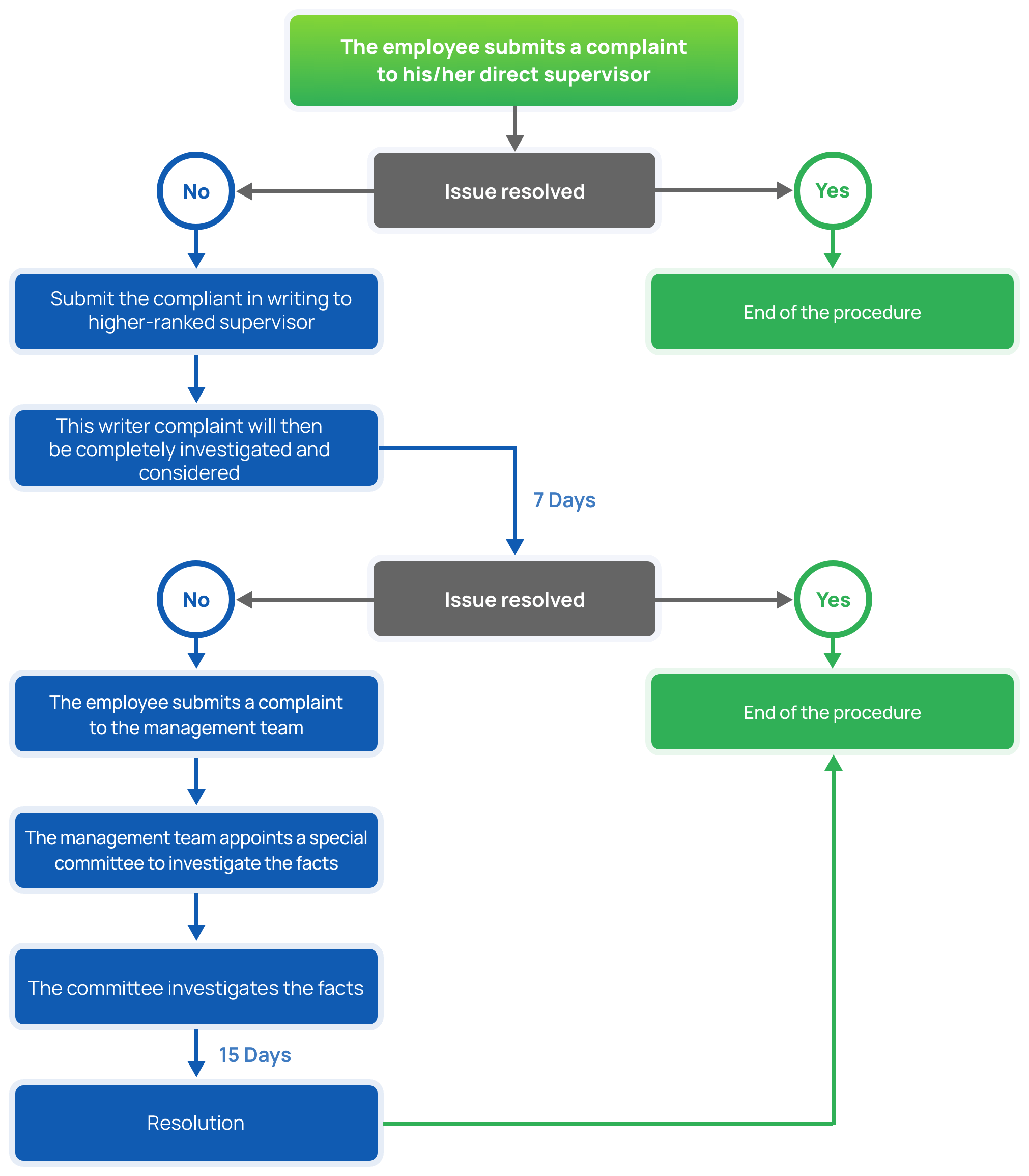
The Company has established a process for handling grievances and provides employees with opportunities to express their opinions and concerns in relation to human rights. Employees can initially consult their direct supervisors regarding their grievances. If the issue remains unresolved, they may submit a written complaint to higher-ranked supervisors, who must investigate and reach a decision within 7 days. If the second step is ineffective, employees can escalate their complaints to the management team within 7 days, which will appoint a special committee to investigate the facts. The management team is committed to ensuring that all proceedings are conducted with accuracy and fairness, and the decision at this stage shall be final. Employees can submit complaints or provide feedback to the Company via email at whistleblowing@thoresen.com. Additionally, employees may express their concerns through the Welfare including matters beyond employee benefits, The Company also implements remediation measures for affected individuals.

Qualitative Target : The Company is committed to raising awareness and strengthening understanding of human rights among executives and employees at all levels to ensure meaningful and consistent adherence to human rights principles. At the same time, it fosters an organizational culture grounded in respect for diversity and equality.
Quantitative Target :
- Zero complaints on human rights
- All employees completed refresher training on human rights policies and labor practices, achieving a 100 percent participation rate.
Raising Awareness on Human Rights
The Company respects and values diversity of personnel, as well as recognizing individual personnel diversity as one key business driving factor. There are 2 main dimensions of diversity: the primary dimension, which encompasses age, gender, race, nationality, religion, ethnicity, sexual orientation, and physical abilities or disabilities, and the secondary dimension, which consists of language, culture, traditions, values, education, and experience. Additionally, female employees and pregnant women are protected and entitled to benefits as required by law. The Company does not base its recruitment criteria on these dimensions or consider gender in decisions regarding termination, demotion, or salary reduction. The Company’s Welfare Committee oversees the well-being of all employees. (2-30)

The aforementioned endeavors align with the qualitative target of fostering an organizational culture grounded in respect for human rights, diversity, and equality. The Company conducted refresher training sessions on human rights policies and labor practices for executives and employees to disseminate knowledge, ensure understanding, establish guidelines, and support all groups of stakeholders. These efforts promote ethical business conduct, respect for human rights, and fair treatment of all individuals. In 2025, the participation rates for these sessions were 100 percent for executives and 100 percent for employees on 12 December 2025 and on 12 January 2026, respectively. The Company also communicates its human rights policies and labor practices through its internal portal and website, resulting in the achievement of the quantitative target of 100 percent employee training completion.
In 2025, the Company received no reports of incidents or complaints related to human rights violations, and there were no issues of non-compliance with Thai labor standards. Therefore, the Company achieved its quantitative target of zero human rights complaints as set forth.
Diversity and Number of Personnel(2-7),(2-8),(405-1)
Remark: All employees work at the headquarters and are permanent employees.Gender Level 2023 2024 2025 Male Senior Management (person) 5 6 6 Mid-level management (person) 4 6 9 First-line Management (person) 8 15 20 Employees (including disabled) (person) 20 26 26 Contractors or Temporary staff (person) 0 0 0 Total Male (person) 37 53 61 Female Senior Management (person) 1 1 1 Mid-level management (person) 8 7 5 First-line Management (person) 25 27 50 Employees (including disabled) (person) 37 45 26 Contractors or Temporary staff (person) 0 0 0 Total Female (person) 71 80 82 Total (person) 108 133 143 Board of Directors by Age
Age Group 2023 2024 2025 Male Female Total Male Female Total Male Female Total < 30 Years Person 0 0 0 0 0 0 0 0 0 Percentage 0 0 0 0 0 0 0 0 0 30 – 50 Years Person 2 1 3 2 1 3 2 1 3 Percentage 18.18 9.09 27.27 18.18 9.09 27.27 18.18 9.09 27.27 > 50 Years Person 8 0 8 8 0 8 8 0 8 Percentage 72.73 0 72.73 72.73 0 72.73 72.73 0 72.73 Total (person) 10 1 11 10 1 11 10 1 11 Percentage 90.91 9.09 100 90.91 9.09 100 90.91 9.09 100 Number of Employees by Age
Age Group 2023 2024 2025 Male Female Total Male Female Total Male Female Total < 30 Years Person 2 16 18 3 21 24 3 17 20 Person 1.9 14.8 16.7 5.7 26.3 18 2.09 11.88 13.98 30 – 50 Years Person 5 6 11 36 51 87 40 58 98 Person 4.63 5.56 10.18 27.07 38.35 65.41 27.97 40.56 68.53 >50 Years Person 30 49 79 14 8 22 18 7 25 Person 27.78 45.37 73.15 10.52 6.02 16.54 12.59 4.90 17.49 Total (person) 37 71 108 53 80 133 61 82 143 Person 34.26 65.74 100 39.84 60.18 100 42.66 57.34 100 Number of Employees by Nationality
Nationality 2024 2025 Male Female Total Male Female Total Thai Person 51 80 131 59 82 141 Percentage 38.35 60.15 98.50 41.26 57.34 98.60 French Person 2 0 2 2 0 2 Percentage 1.50 0 1.50 1.40 0 1.40 Total (person) 53 80 133 61 82 143 Percentage 39.85 60.15 100 42.65 57.34 100 Number of Employees with Parental or Childcare Leave/1
Remark: /1 The Company does not provide paternal leave for male employees.Number of Employees 2024 2025 Male Female Total Male Female Total Employees with Parental or Childcare Leave Rights (Person) - 80 80 - 82 82 Employees Who Used Parental or Childcare Leave (Person) - 1 1 - - - Employees Who Returned to Work After Using Parental or Childcare Leave (Person) - 1 1 - - - Employees Who Remained with the Company for 12 Months After Returning from Parental Leave (Person) - - - - - - Return Rate After Parental Leave (Percentage) - - 100 - - - Employee Retention Rate After Parental Leave (Percentage) - - 100 - - - - Equality and social diversity in the workplace:
-
Occupational Health and Safety
-
Occupational Health and Safety

The Group values the quality of life and safety in the workplace for both employees and workers on premises. The Group is committed to being an accident-free organization by ensuring strict compliance with relevant laws and international safety standards.
Occupational Health and Safety(403-5),(403-8),(403-9)
Occupational health and safety is among the most important aspects of the Group's operations, as it recognizes that workforce is the foundation of business, even with the support of machinery and technology. Therefore, with the goal of becoming an accident-free organization, effective management of safety, occupational health, and work environment is essential to ensure that every employee enjoys good health, is effective in their work, and can operate safely. The Group emphasizes safety standards from the production process to the delivery of goods to consumers, not only for employees but also for suppliers and any parties involved. The Group has a policy to ensure that employees, contractors, and other related stakeholders work in the safest possible environment.
The Company is committed to managing safety, occupational health, and work environment by reducing work-related accident statistics to zero (Zero Accident). Additionally, the Company and its subsidiaries have clear safety, occupational health, and work environment management goals, which include:
- Reduce Lost Time Injury Frequency Rate
- Reduce Fatal Accident Frequency Rate
The strategic action plans are as follows:
- Foster a workplace safety culture at corporate level by instructing all employees to set their priority to save lives through the implementation of occupational health and safety management system that covers employees and contractors or workers on premises
- Encourage all supervisors to be safety leaders to show that the Group pays attention to the safety of employees, contractors, and other related third parties throughout the working process
- Analyze and review accident prevention measures, including assessing occupational health and safety risks based on job characteristics, to establish mitigation plans to lower the level of risk and establish more comprehensive operating regulations
- Collect comprehensive and disclose accurate data on safety performance to improve the effectiveness of risk reduction plans
- Develop a workplace safety manual and provide training to all executives and employees on occupational health, safety, and work environment related to their jobs to ensure that management is appropriate and efficient and corresponds with job characteristics
- Regularly review and monitor work practices and documentation systems to ensure strict compliance with relevant safety regulations, laws, and standards
In addition, the Company adheres to legal requirements and international standards as guidelines to help reduce operational risks, loss of life and property, and to ensure the well-being of employees and stakeholders. These include:
- The Labor Ministry Regulation regarding the Establishment of Standards for Occupational Safety, Health, and Environment Management B.E. 2549 (2006)
- The Occupational Safety, Health and Environment Act B.E. 2554 (2011)
- The Occupational Safety, Health and Environment Act B.E. 2554 (2011) RE: Occupational Safety, Health and Work Environment Standard Relating to Fire Protection and Prevention B.E. 2555 (2012)
Thoresen Thai Agencies: TTA
Qualitative Target : Through continuous communication, training, and monitoring, TTA is committed to fostering a strong safety culture in which employees at all levels are supported by a structured approach to minimizing operational risks and preventing workplace accidents.
Quantitative Target : Zero Lost Time Injury Frequency Rate (LTIFR)
Management Approach (403-5),(403-8),(403-9)
Since workplace safety is considered everyone’s responsibility, the Company has established a foundation for workplace safety and occupational health management. This includes ensuring the health and wellness of employees, monitoring and controlling the work environment to maintain good working conditions and minimizing the impact on employees’ health. The Company regularly conducts training and emergency drills. In addition, a 5S activity program is regularly organized— namely Sort, Set in order, Shine, Standardize, and Sustain—to foster a safety culture.
TTA has developed a safety communication plan within the organization through bulletin boards, email circulation, and its portal system. It also provides regular refresher training and knowledge reviews for both new and existing employees every year. To ensure safety, TTA appoints safety officers, Administrative and Human Resources Departments to oversee and prevent work-related accidents while ensuring compliance with legal requirements. The Company also has executive-level safety officers responsible for promoting, supporting, and monitoring the implementation of workplace safety activities to ensure that safety management is in line with the Company’s goals and plans. To reduce risks and enhance workplace safety, the Company has conducted risk assessments for potential hazards that to employees, suppliers, contractors, and workers on premises. Additionally, the Company provides specialized training to mitigate these risks, as follows:
- Hazard Identification: The Company requires risk assessments to identify dangerous processes in operations and studies methods to prevent or reduce the occurrence of these hazards.
- 2Accident Investigation: In the event of an accident, an investigation is carried out immediately, or as soon as possible, to gather accurate facts. A report is created, along with proposed corrective actions, to determine root cause, details of the incident, and preventive measures to avoid recurrence.
Complaint Channels
In case employees have feedback or suggestions regarding occupational health and safety operations, they can use the following complaint channels to address issues, improve operations, and enhance operational safety.
Website www.thoresen.com E-mail whistleblowing@thoresen.com Mailing Address Audit Committee
Thoresen Thai Agencies Public Company Limited
P.O. Box 12, SCB Post Office, Lumpini, Pathumwan, Bangkok 10330In-Person Reporting Head of the Internal Audit and Compliance Department In 2025, no complaints related to occupational health and safety were reported.
Occupational Health and Safety Activities and Initiatives
Fire Evacuation Drill 2025
The Orakarn Office Condominium, where TTA’s office is located, organized a fire safety and evacuation drill on 26 November 2025.
In 2025, TTA’s headquarters was under the safety management of the Administrative Department. The target for 2025 was to achieve zero Lost Time Injury Frequency Rate (LTIFR), which was successfully met. Additionally, TTA conducted its annual emergency and fire evacuation drill on 26 November 2025. The drill was successfully completed, with the evacuation carried out within 14 minutes. The training was conducted by the Bangkok Training Unit, which is a registered fire safety training and firefighting unit certified by the Department of Labor Welfare and Protection. There were no incidents in 2025 that caused business disruptions.
The Company’s achievement of its qualitative operational safety target was driven by consistent safety communication and training, supported by systematic risk assessment and continuous monitoring. These efforts contributed to effective safety management and strengthened operational risk mitigation.
Work-Related Injuries Data at TTA Headquarter
Remark:Type of Injury Number of Occurrences 2023 2024 2025 Employee Contractor/1 Employee Contractor/1 Employee Contractor/1 Injury Frequency Rate (IFR) 0 0 0 0 0 0 Severity Rate (ISR) 0 0 0 0 0 0 Lost Time Injury Frequency Rate (LTIFR)
/ Lost Time Injury Rate (LTIR)/30 0 0 0 0 0 Severe Injuries
(excluding fatalities)0 0 0 0 0 0 Fatalities from Work-related Accidents 0 0 0 0 0 0 Fatalities from Work-Related Illness 0 0 0 0 0 0 Illnesses from Work-Related Conditions 0 0 0 0 0 0 Total Workforce Under Occupational Health and Safety Management System/2 108 - 133 27 143 31
/1 Contractor refers to employees or workers who are not directly employed by the Company but are temporarily working on-site and following the Company’s occupational health and safety protocols strictly.
/2 The total workforce under the occupational health and safety management system and the percentage of the total workforce under this system has been tracked since 2024.
/3 Lost Time Injury Frequency Rate (LTIFR) or Lost Time Injury Rate (LTIR) means person/1,000,000 working hours.Raising Awareness on Safety, Occupational Health, and Work Environment
Safety, Occupational Health, and Work Environment Training 2024 2025 Number of Training Courses 18 4 Number of Participating Executives (Percentage) 100 100 Number of Participating Employees (Percentage) 71.43 100 TTA Run Club Program
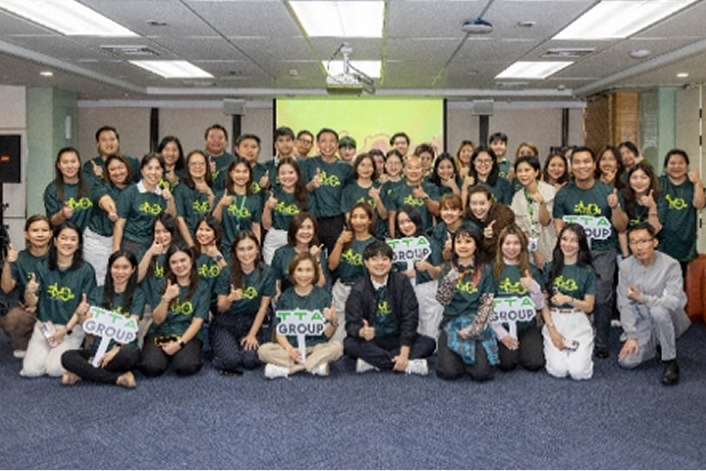
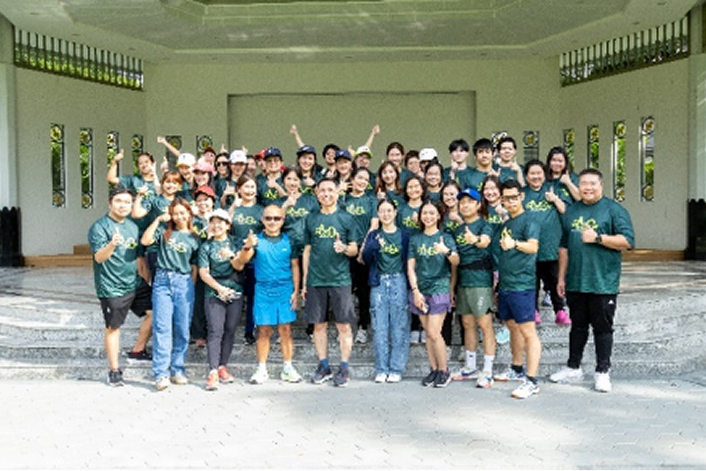
TTA organized the ‘TTA Run Club Program: Run a little each day… a fit heart, a firm body’. The program encouraged employees to engage in regular running to promote health and accumulate distance continuously over a one-month period, with 60 employees participating. The initiative resulted in a total accumulated distance of 5,791 kilometers, reflecting employees’ commitment to consistent physical activity and well-being.
-
Human Capital Development
-
Human Capital Development

The Group recognizes that employees are a vital resource in driving the organization toward success and a sustainable future. Therefore, the Group is committed to promoting the development of every employee at all levels, enabling them to become skilled individuals with a positive attitude. Employees will also gain the knowledge and skills to keep pace with the rapidly changing global society through a culture of continuous learning.
Human Capital Development (404-1),(404-2),(404-3)
In addition to good human resource management, such as providing benefits that support and promote the well-being of employees, as well as offering competitive compensation to attract and retain talents, the Company believes that effective human resource management is crucial for driving business success. It also helps the organization achieve its sustainable development goals. The Company has therefore established a human resource management strategy through training and development to enhance work performance and employee engagement. Effective human capital management requires clear and measurable performance metrics to assess the effectiveness of the Company’s personnel development efforts. This allows for continuous improvement and development.
The Company evaluates performance based on each position’s duties fairly and appropriately. In maritime businesses, a Fatigue Policy for offshore workers has been established, and an annual performance evaluation of employees is conducted. The performance evaluation is divided into 3 areas:
- Measurement based on the Company's success indicators (Corporate Key Performance Indicator: Corporate KPI)
- Performance measurement at the department level and individual level (Department Key Performance Indicator & Individual Key Performance Indicator: Department KPI & Individual KPI)
- Evaluation of individual core competencies (Core Competency)
In addition to the 3-part evaluation, there is an individual-level survey to be used as part of training and development plans tailored to employee positions and duties in future years.
Human Capital Development Approach
To ensure employees possess the knowledge and capabilities that contribute to maximizing operational efficiency in each position, while providing equal career advancement opportunities, the Company has developed a plan to enhance skills and potential of employees at all levels. This includes training programs relevant to their job functions, as well as incentives in the form of salaries, annual bonuses, health insurance, welfare benefits, provident funds, overtime pay, tenure-based vacation days, and rewards for long-service employees. There are also positions available to support voluntary job transfers to promote career growth within the organization. These initiatives help reduce turnover rates among talents, retain staff, and foster greater employee engagement.
Furthermore, the Company has assigned the Human Resources Department to effectively manage human resources in compliance with relevant laws and regulations, such as the Labor Protection Act, B.E. 2541 and the Labor Relations Act, B.E. 2548, as well as other related laws. This also includes adhering to basic human rights principles and respecting individuality while ensuring the value chain aligns with established practices.
Complaint Channels
If employees have feedback or suggestions regarding the operations of the Group, they can use the channels provided to address issues, improve operations, and maintain or restore employee engagement and satisfaction.
Website www.thoresen.com E-mail whistleblowing@thoresen.com Mailing Address Audit Committee
Thoresen Thai Agencies Public Company Limited
P.O. Box 12, SCB Post Office, Lumpini, Pathumwan, Bangkok 10330In-Person Reporting Head of the Internal Audit and Compliance Department In 2025, no complaints related to human capital development were reported.
Thoresen Thai Agencies: TTA
Quantitative Target : Employees participating in annual refresher training not less than an average of 80 percent of total employees
Human Capital Development Management Approach (403-5),(403-8),(403-9)
Promotion and Development of Individuals within the Company
The Company is committed to developing the potential of employees by focusing on both theoretical and practical foundations. The Company has an Individual Development Plan (IDP) based on a Training Needs Analysis, aligning with individual employee needs and job responsibilities. This development plan includes both hard skills and soft skills, forming part of the annual performance evaluation of employees.
In 2025, a total of 100 percent of employees participated in the annual refresher training, exceeding the defined target of at least 80 percent. The average post-training score was 4.5 out of 5 points, reflecting strong content comprehension and training effectiveness. Overall, the results demonstrate successful achievement of the established targets.Training programs held in 2025 include:
-
Seminars and activities to enhance knowledge in various areas, such as:
- Labor law training
The Human Resources Department organized the Annual Labor Law Training 2025 for the Company’s Human Resources staff, affiliated companies, and relevant departments. The training aimed to enhance knowledge and understanding of labor laws related to work practices and to reduce legal risks to the Company. - Employee health and wellness training
The Human Resources Department organized the Annual Labor Law Training 2025 for the Company’s Human Resources staff, affiliated companies, and relevant departments. The training aimed to enhance knowledge and understanding of labor laws related to work practices and to reduce legal risks to the Company. - Investment and financial savings training
- Corporate Key Performance Indicator (Corporate KPI) performance evaluation training
- Annual fund management report meetings
- Labor law training
The Company believes that the benefits of developing employee potential and promoting their advancement will be advantageous to both the employees and the Company. Developing employee potential and promoting their advancement is an investment that yields good returns, both in terms of improved work efficiency and increased employee satisfaction within the organization. This, in turn, contributes to the long-term success of the Company.
Benefits for employees :
- Increased Knowledge Level: Participation in training and development programs helps enhance employees’ knowledge in relevant fields, which can be reflected in higher knowledge test scores.
- Development of New Skills: Training allows employees to learn new skills necessary for their work, such as technical skills, management skills, or communication skills, and the development of work-related skills.
- Behavior Evaluation Results: Evaluations from supervisors show the development of skills and behaviors aligned with the training courses employees attended, which help employees adapt and perform better, leading to career growth opportunities.
- Promotion Opportunities: Employees who receive consistent development and training are more likely to be promoted or given additional responsibilities.
- Boosting Confidence in Work: Skill and knowledge development boosts employee confidence in their work, making them feel secure and valued within the organization, and enhancing their adaptability.
- Ability to Handle New Challenges: Training helps employees improve their ability to handle new challenges and work-related changes effectively.
Benefits for the Company:
- Increased Productivity: Employees who receive effective development and training are often able to perform tasks more efficiently, leading to increased organizational productivity.
- Reduction in Errors: Skill and knowledge development helps reduce mistakes in work processes and problem-solving.
- Increased Profit: Employee development can improve work efficiency, which contributes to increased sales and profits for the Company.
- Better Customer Response: Employees with strong skills and knowledge can better meet customer needs, leading to improved customer service and satisfaction.
- Increased Job Satisfaction: Enhancing employee potential and promoting their advancement increase job satisfaction and reduce tendency to resign.
- Retention of Talents: Developing employees helps them feel valued and offers growth opportunities within the organization, reducing turnover rates and the need for recruitment of new employees.
- Building a Positive Company Image: An organization that provides opportunities for development and supports employee potential development enhances its image as a company that values employee development and growth.
- Attracting Talents: Organizations with strong development programs are more likely to attract talents seeking career advancement opportunities.
Employee Benefits
To ensure effective management of human resources, the Company provides various benefits and welfare programs for employees. In addition to the statutory benefits required by law, the Company offers additional benefits beyond legal requirements, such as health insurance, provident fund, retirement and retirement extension policies, and internal transfer policies.
TTA has established a Welfare Committee, consisting of employee representatives from all departments, to meet with the employer at least twice a year. The committee’s responsibilities include jointly providing appropriate and legal welfare to employees, offering advice and suggestions to the employer on employee welfare, monitoring and overseeing the welfare provided by the employer, and proposing recommendations and ways to improve employee welfare.
In 2025, the Company held a total of 4 Welfare Committee meetings to discuss matters relating to employee health, safety, welfare, and various key activities. Topics included influenza vaccination, annual health check-ups, the Songkran festival activities, the เติมสุข (Happiness Enhancement) program, and other off-site activities. An employer representative participated in every meeting.
Additionally, to ensure better access for all employees, the Company has established channels for submitting complaints to the Welfare Committee through website or mail slot, specifically for employees who feel they have been treated unfairly. Furthermore, the Company created a group on Line application for employees to serve as a communication channel for updates and announcements related to projects and welfare benefits.
Employee Performance Appraisal
TTA has established a systematic, transparent, and fair approach to evaluating employee performance, which includes the following principles:
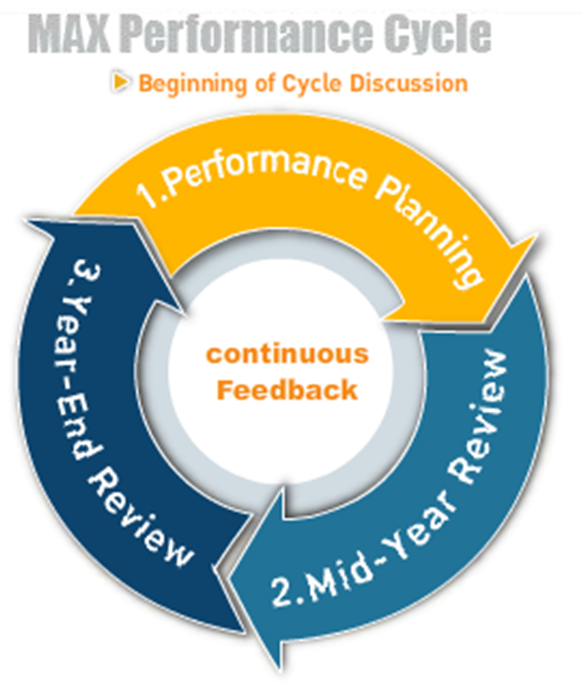
- The Company has established a policy and criteria for the annual performance evaluation of employees at all levels (MAX Performance Evaluation) through the following steps: Performance Planning: Setting annual goals and objectives; Mid-Year Review: Reviewing and tracking performance progress midway through the year; and Year-End Review: Evaluating and summarizing overall performance at the end of the year. To ensure effective goal tracking, the Company requires supervisors and employees to discuss performance and knowledge development plans at least twice a year, in accordance with the MAX Performance Cycle.
- There are measures to improve performance of employees who fall below the established thresholds. Employees are required to participate in a training program called Performance Plan, which is conducted twice a year, with each session lasting 3 months. This provides employees with the opportunity to enhance their performance.
Results from the performance evaluation are used to determine salary adjustments, bonuses based on achievements or outstanding performance, and promotion decisions. This enables the Company to manage human resources effectively while supporting employee growth and enhancing overall organizational performance.
Employee Engagement and Satisfaction Survey
Qualitative Target : Employee satisfaction rate of over 70 percent and employee engagement rate of over 60 percentTo ensure that TTA’s welfare programs and activities align with employee needs and effectively enhance their quality of life and well-being, the Company conducts an Employee Engagement and Satisfaction Survey. The survey helps identify key discussion points before they are considered for improvement and development. Examples of key topics include workforce management aligned with business growth plans, Learning and Development, Job Rotation for Development, and promotion of learning opportunities for business advancement. The Company utilizes employee feedback to refine and enhance its processes, creating a more suitable and engaging work environment. This reflects the Company’s commitment to fostering a positive workplace, listening to employee concerns and feedback, and valuing employees as primary stakeholders essential to the Company’s success.
The Company conducts an annual Employee Engagement and Satisfaction Survey, designed as a comprehensive assessment to gather in-depth feedback from employees.
In 2025, the Company provided all employees with the opportunity to participate in the survey through an online system, achieving a response rate of 96 percent. The survey covered 2 main categories with 8 subcategories, addressing key topics such as work environment, relationships with supervisors, fairness in decision-making, personal development, and work-life balance. The survey results indicate strong levels of employee engagement and satisfaction, with scores exceeding 70 percent in both categories. As a result, the Company successfully achieved its quantitative target. Results of the 2025 survey were as follows:2024 2025 Employee Satisfaction Rate (percent) 78.72 79.62 Employee Engagement Rate (percent) 72.75 78.31 The primary feedback from this year’s employee engagement and satisfaction survey focused on work environment. In response, the Company took immediate action toward regular air conditioning units cleaning. Additionally, the Company communicated the survey results through bulletin boards and internal emails on 19 December 2025.
TTA Human Resource Management Performance
Remark : /1 including various types of training, such as job-specific skills training, occupational health and safety training, legal compliance training, as well as training on ethics and Company’s policiesOperations Performance 2023 2024 2025 Employee Training404-1),(404-2) Training Hours Target (hours/employee/year) (online and offline) 5 5 5 Average Training Hours (hours/employee/year) (online and offline)/1 6.87 6.56 9.00 Average Training Days (Day/Person/Year) (online and offline)/1 0.86 0.82 1.13 Number of Training Courses Provided (online and offline) 30 46 49 Training Expenses (Baht) 482,463 1,099,030 644,468 Performance Evaluation(404-3) Employees Who Passed Performance Evaluation Under MAX Performance Plan (percentage) 100 100 100 Employee Training by Personnel Level
Level 2024 2025 Training Hours Average Training Hours per Employee per Year Training Hours Average Training Hours per Employee per Year Male Female Total Male Female Total Male Female Total Male Female Total Top-Level Management 52 0 52 10.40 0 10.40 96 0 96 8.00 0.00 8.00 Mid-Level management 8 20 28 1.33 2.86 4.19 88 48 136 17.60 12.00 29.60 First-Line Management 60 200 260 6.00 7.69 13.69 136 608 744 10.46 8.22 18.68 Operational-Level Employees 12 84 96 0.46 1.95 2.41 40 208 248 8.00 9.00 17.00 Total Training Hours 132 304 436 18.19 12.50 30.69 360 864 1,224 10.29 8.55 18.85 New Hire (401-1) by Age Group
Remark : 2024 is the first year that new hire data was collected by age group.Age Group 2024 2025 Male Female Total Male Female Total < 30 years Person 2 2 4 2 2 4 Percentage 15.38 15.38 30.77 11.76 11.76 23.53 30 – 50 years Person 2 7 9 7 5 12 Percentage 15.38 53.85 69.23 41.18 29.41 70.59 >50 years Person 0 0 0 1 0 1 Percentage 0.00 0.00 0.00 5.88 0.00 5.88 Total 4 9 13 10 7 17 Percentage 30.76 69.23 100 58.82 41.18 100 Employee Voluntary Resignation (401-1) by Age Group
Age Group 2024 2025 Male Female Total Male Female Total < 30 years Person 2 2 4 2 2 4 Percentage 15.38 15.38 30.77 11.76 11.76 23.53 30 – 50 years Person 2 7 9 7 5 12 Percentage 15.38 53.85 69.23 41.18 29.41 70.59 >50 years Person 0 0 0 1 0 1 Percentage 0.00 0.00 0.00 5.88 0.00 5.88 Total 4 9 13 10 7 17 Percentage 30.76 69.23 100 58.82 41.18 100 Remark: 2024 is the first year that employee resignation data was collected by age group and voluntary resignation.
Employee Compensation by Gender
Remark /1 2024 is the first year that employee compensation data was collected by gender.2023 2024 2025 Male Female Disabled Total Male Female Disabled Total Male Female Disabled Total Compensation for the Fiscal Year (Baht) 170,094,727 202,885,484 293,519,072 Salary Ratio (Female to Male) /1 - - - - 1 1.14 N/A N/A 1 0.83 N/A N/A
N/A = Not Applicable -
Community Development and Engagement
-
Community Development and Engagement
The Group is committed to upholding social responsibility by actively contributing to community development and engagement and improving the quality of life. This commitment is reflected through various initiatives carried out both within business operations (CSR-in-Process) and beyond core business processes (CSR-after-Process).
Community Development and Engagement
Community and society play a crucial role in driving the economy and ensuring sustainable development for businesses, society, and the nation. The Group’s operations are inherently connected to community and society, both directly and indirectly. To foster smooth business operations, gain cooperation and support from local community, and enhance community development and engagement initiatives, the Group is committed to conducting its business in ways that avoid negative impact or harm to community and society. Instead, the Company strives to generate positive impact by actively contributing to community and social development. This commitment is realized through the integration of corporate social responsibility within business operations (CSR-in-Process) and beyond core business processes (CSR-after-Process). Building strong, trust-based relationships, fostering collaborative partnerships, and growing alongside stakeholders across all sectors are therefore essential to ensuring business stability, continuity, and long-term value creation.
Guided by the ambition to elevate sustainability toward regeneration and long-term value creation, TTA integrates a regenerative perspective into its management of business risks and opportunities in environmental and social aspects. This approach strengthens organizational resilience from within, enhances competitive capability, and supports sustainable growth, while proactively preventing and mitigating adverse impacts on community and society.
From a strategic perspective, TTA prioritizes community investment that is directly aligned with its core business strategy. Through the integration of initiatives both within business processes and beyond core operations, TTA focuses on developing human capital, advancing sustainability-driven innovation, improving quality of life, and empowering the next generation as a key force driving positive change at the community, urban, and broader societal levels. TTA believes that strengthening youth potential and fostering active social participation will deliver sustained value to stakeholders while supporting inclusive and long-term economic and social growth.
Community Development and Engagement Management Approach
The Group has implemented a policy of fostering a sense of social responsibility as an integral part of its corporate culture since 2015. This policy applies to executives and employees across the Company and its subsidiaries. (For more details on the organization’s mission, visit https://www.thoresen.com/th/about-tta/vision-mission). The Group firmly believes that creating a positive impact on society, economy, and environment goes beyond financial donations, and therefore encompasses time, labor practices, operational processes, and a deep sense of responsibility toward community, society, and the environment. Furthermore, improving the quality of life for community, society, and the nation requires collective effort from all stakeholders. To this end, the Group has integrated the Sustainable Development Goals (SDGs) across all dimensions, including education promotion, quality of life improvement, natural resource conservation, and disaster relief The Group has implemented a policy of fostering a sense of social responsibility as an integral part of its corporate culture since 2015. This policy applies to executives and employees across the Company and its subsidiaries. (For more details on the organization’s mission, visit https://www.thoresen.com/th/about-tta/vision-mission). The Group firmly believes that creating a positive impact on society, economy, and environment goes beyond financial donations, and therefore encompasses time, labor practices, operational processes, and a deep sense of responsibility toward community, society, and the environment. Furthermore, improving the quality of life for community, society, and the nation requires collective effort from all stakeholders. To this end, the Group has integrated the Sustainable Development Goals (SDGs) across all dimensions, including education promotion, quality of life improvement, natural resource conservation, and disaster relief and public welfare. Additionally, it actively raises awareness and fosters collaboration among various sectors, contributing to the development of a truly sustainable society.
Complaint Channels
In cases where community and society are affected by the Group’s operations or have any feedback or suggestions regarding its operations, they can reach out through the designated channels. These channels are established to address issues, improve operations, and maintain and restore relationships with community and society. Available complaint channels are as follows:
Website: www.thoresen.com E-mail: Mailing Address: Audit Co mmittee
Thoresen Thai Agencies Public Company Limited
P.O. Box 12, SCB Postal Office, Lumpini, Pathumwan, Bangkok 10330In-Person Reporting Head of the Company’s Internal Audit and Compliance Department
In 2025, there were no reports from community and society regarding operational impact. Nevertheless, the Company has established a complaint management process with specific operational measures, detailed as follows:
Procedures
- The Internal Audit and Compliance Department, or the Department hereafter, is responsible for receiving complaints and determining their category before forwarding them to the Audit Committee.
- The Department and/or the Audit Committee verify the accuracy and adequacy of the information and facts.
- The Department and/or the Audit Committee consider the investigation approach.
- If necessary, an investigation committee may be appointed, consisting of senior executives and representatives from departments with no conflict of interest in the matter, to conduct an investigation and enforce the Company’s disciplinary regulations.
- Relevant departments will determine corrective actions, analyze root causes of the issue, and implement preventive measures to avoid recurrence.
- Regarding progress updates, the Company will inform the complainant who has provided their name, address, phone number, email, or other contact details about the progress and outcome of the investigation into the complaint and clues of misconduct and corruption. However, in some cases, due to personal data protection and confidentiality considerations, the Company may not be able to disclose detailed information about the investigation or disciplinary actions.
- The Company will conduct an independent and impartial investigation into complaints and clues of misconduct and corruption to gather evidence that can confirm or refute the information provided. The Company will also impose disciplinary actions and/or legal proceedings against offenders in accordance with its disciplinary regulations and/or relevant laws.
- The review and investigation of reported issues must be conducted as promptly as possible and should not exceed 2 weeks from the date of receipt of the complaint.
- The Internal Audit and Compliance Department is responsible for maintaining a complaint and whistleblowing registry, compiling statistical data on reported clues of misconduct and corruption, and preparing summary reports on all reported misconduct and corruption cases within the Group. These reports will cover issues that have been reviewed or are under investigation, as well as corrective measures, root cause analysis, and preventive actions to avoid recurrence. The reports will be submitted to the Audit Committee at least once every quarter. The Audit Committee will review and report complaint issues to the Board of Directors on a quarterly basis as deemed appropriate.
Thoresen Thai Agencies: TTA
TTA recognizes that meaningful employee engagement is a key force in advancing robust and sustainable corporate social responsibility (CSR) efforts.
Qualitative Target : Integration of social responsibility into corporate culture
Quantitative Target : A Key Performance Indicator (KPI) was established requiring each employee to participate in at least 5 activities per year, with a minimum of 10 participants per activity. This initiative is designed to strengthen engagement at both the team and organizational levels.
In 2025, TTA implemented a total of 71 CSR initiatives, representing a significant increase from 21 initiatives in 2024 (a 238 percent growth). These initiatives spanned 4 key areas of community development and engagement: 37 education promotion and youth development programs, 9 health and well-being initiatives, 8 environmental conservation activities, and 17 public welfare projects. Each initiative involved more than 10 participants, and 90 percent of employees took part in at least 5 CSR activities, demonstrating successful achievement of the defined quantitative target.
Moreover, the continuity and diversity of CSR efforts across multiple domains reflect progress toward the qualitative target of embedding social responsibility into the corporate culture through sustained and active employee engagement. This approach enhances employee awareness and empowers individuals to integrate socially responsible practices into both their professional roles and daily lives, transforming CSR from isolated, one-time events into a sustained and operationalized practice.
TTALAB
Initiated under the vision of Mr. Chalermchai Mahagitsiri, President and Chief Executive Officer of Thoresen Thai Agencies Public Company Limited, TTALAB is a youth development program designed for adolescents aged 15–25 across Thailand. The program is founded on the belief that people — particularly young individuals as the driving force of the future — are the most vital resource in advancing social and national transformation. TTALAB embodies the concept of “human capital investment” by creating a platform where young people can brainstorm, innovate, and take meaningful action to generate positive social change.
Guided by the concept of “Youth-Led, Adult-Supported” (เด็กเริ่ม เด็กคิด เด็กสร้าง ผู้ใหญ่สนับสนุน), this initiative represents a fundamental shift from traditional, top-down leadership toward a model in which young people take the lead in decision-making, planning, and implementation. TTALAB functions as a safe laboratory — a sandbox for exploring ideas, asking critical questions, and transforming personal interests into tangible outcomes, regardless of field of study, educational background, or social context. TTALAB operates under a “Youth-Led, Adult-Guided and Supported” model (เด็กตั้งโจทย์ ผู้ใหญ่รับฟังและสนับสนุน), in which a network of partners from the business, education, and civil society sectors serves as mentors and coaches, offering multi-dimensional support across knowledge, skills, critical thinking, and essential resources. TTALAB emphasizes experiential, hands-on learning, prioritizing learning by doing over traditional two-dimensional approaches.
By strengthening its presence across 4 regions, TTALAB seeks to ensure equitable development opportunities for young people nationwide, with particular emphasis on those in suburban and underserved areas. The initiative applies design thinking principles while fostering interconnected youth networks that promote continuous knowledge sharing, collaborative learning, and co-creation.
In addition, TTALAB prioritizes the development of high-potential ideas into projects and initiatives that create both social and economic value. This is achieved through knowledge support, venture funding, and strategic collaboration with real-world partners, effectively bridging innovative youth-driven ideas with the professional landscape and contributing to long-term social development. TTALAB’s primary goal is to develop “Smart People” who demonstrate skills, creativity, social responsibility, and self-awareness. This mission is driven by a commitment to reducing urban–suburban disparities, harmonizing tradition with modernity to preserve cultural heritage, and empowering young people to actively shape future urban environments and societies that are inclusive and sustainable.
Key Achievement of TTALAB GEN 1
Seasoning Topping “JOONG JANG” : "Leveraging Local Wisdom for Sustainable Community Economy
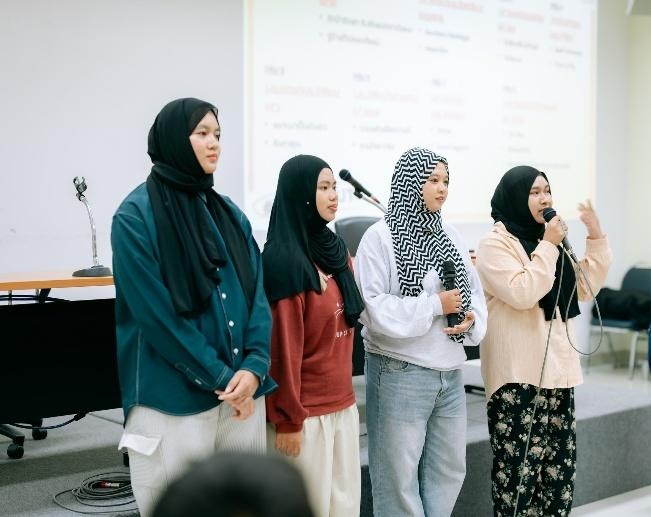

Crafted by 4 artisans in southern Thailand selected as TTALAB GEN 1 partners, JOONG JANG is an anchovy-based seasoning topping made from locally sourced seafood. Rooted in regional wisdom and traditional practices, the product transforms fresh, native ingredients into a value-added offering that generates meaningful economic benefits for the community. By strengthening local supply chains and creating employment opportunities, JOONG JANG contributes to sustainable local economic development. The project also empowers youth by enhancing their capacity to innovate and design a product that preserves and reinterprets cultural heritage and local ways of life for long-term sustainability. Tangible socio-economic outcomes from this 6-month project (July-December 2025) are as follows:
- Total sales of Baht 39,184 (inclusive of savings deposit interest)
- Total income for local communities of Baht 32,944
- The youth team developing the project generated total income of Baht 22,968
JOONG JANG demonstrates how youth-led product development can translate cultural preservation into tangible local economic growth and long-term sustainability.
Key Achievement of TTALAB GEN 2
Sustainable Event
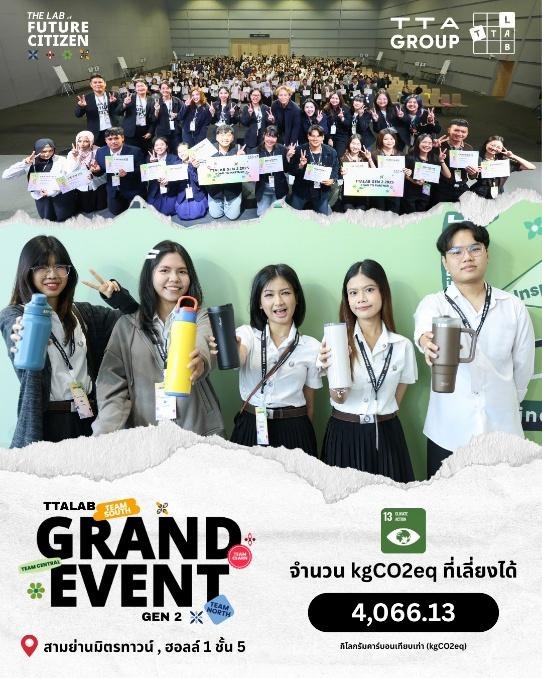
TTALAB organizes youth development initiatives across Thailand under a “Low Carbon & Green Event” framework, integrating measures to reduce resource consumption, improve waste management, and enhance operational efficiency. Throughout the project implementation, TTALAB has avoided the projected carbon footprint from its organized events totaling 14,346.83 kilograms of carbon dioxide equivalent (kgCO₂eq), detailed as follows:
- 1,149.40 kgCO2eq avoided through reduced plastic use at all events in all regions
- 9,131.30 kgCO2eq in avoided emissions from regional TTA Lab activities (Onsite Workshops & Events)
- 4,066.13 kgCO2eq in avoided emissions from TTALAB Gen 2 – Grand Event (271 participants)
These outcomes demonstrate that TTA not only creates meaningful impact in youth development but also plays a vital role in advancing the organization’s environmental objectives through measurable carbon emission reductions and sustainability-centered stewardship across all dimensions of event management.
Buddy Thai
BuddyThai App is a digital platform developed by TTA in collaboration with the Department of Mental Health to support the mental well-being of Thai children and adolescents. The application places particular emphasis on addressing school and online bullying, which is one of significant factors affecting youth mental health.
The BuddyThai App is designed to serve as a trusted “buddy” and safe digital space where children and adolescents can learn about mental health, better understand their emotions, and access appropriate support through the following key features:
- Mood Tracking: Record daily emotional states to enhance awareness and sharpen mood management skills
- Self-Assessment: Evaluate emotional skills and the ability to respond to different circumstances
- SOS Feature: Provide immediate access to support from specialized mental health services, such as the Department of Mental Health Hotline, for users experiencing vulnerability or emergency situations
In addition, Buddy Thai organizes a School Tour program to promote the adoption of the BuddyThai App while raising awareness of bullying prevention, violence reduction, and student mental health care. The initiative also aims to reinforce the app’s use as an everyday tool for emotional support among students.
In 2025, the BuddyThai App recorded a total of 6,535 active users, with in-app features utilized more than 10,377 times, including 164 SOS activations. These meaningful results highlight the platform’s role as an early-stage mental health support mechanism. Available on both Android and iOS devices, the BuddyThai App has achieved more than 5,600 total downloads to date.
Given the above, the BuddyThai App contributes to expanding access to mental health services, reducing inequality, and fostering positive, sustainable social impact among Thai children and adolescents. In doing so, it supports the advancement of SDG 3: Good Health and Well-being.
Community Development and Engagement Activities and Initiatives
1. Education Promotion
TTA Sharing Time, Spreading Happiness
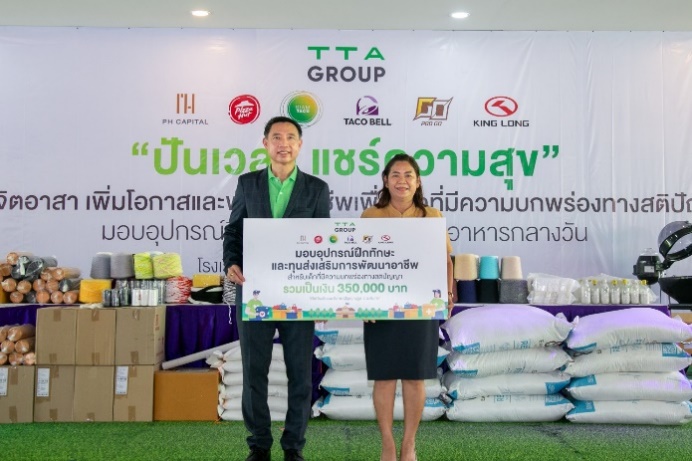
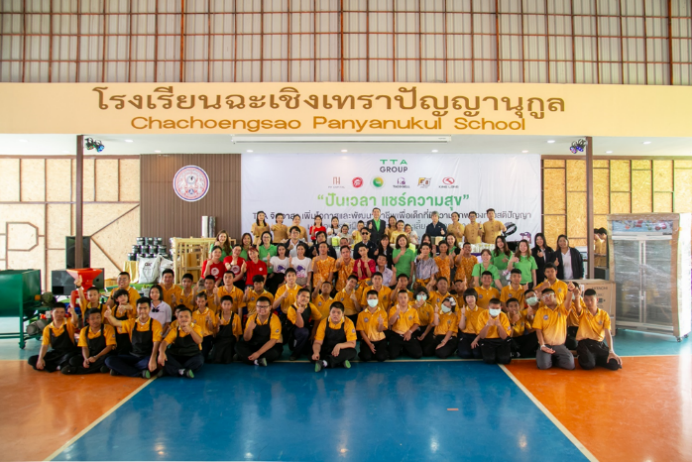
13 March 2025: TTA and its affiliated companies, totaling 30 participants, jointly organized the ‘TTA Sharing Time, Spreading Happiness’ initiative at Chachoengsao Panyanukul School in Chachoengsao Province. The Group contributed Baht 350,000 to support the procurement of vocational training equipment, with the objective of enhancing learning opportunities and developing the potential of students with intellectual disabilities, enabling them to pursue occupations and live independently in society. In addition, TTA’s executives and employee volunteers actively participated in hands-on activities with the students, including pottery painting, cookie making, and carpet weaving, as well as hosting a lunch for the children, bringing joy and creating meaningful smiles.
Scholarships and Vocational Training Equipment Support
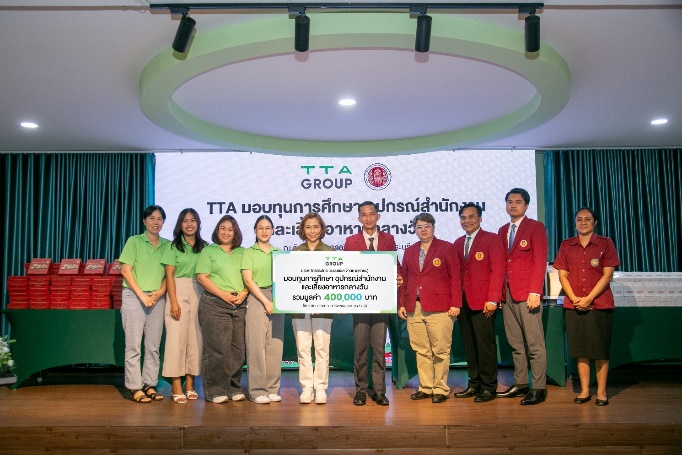
15 May 2025: TTA and employee volunteers, totaling 20 people, joined in awarding scholarships to academically outstanding students from low-income households, along with donations of office and educational equipment, including computers and teaching-related assets. The initiative also included hosting a lunch for teachers and students. The total value of support exceeded Baht 400,000, benefiting Nong Khae Industrial and Community Education College, Saraburi Province.
School Lunch Program at Suan Lumpini School
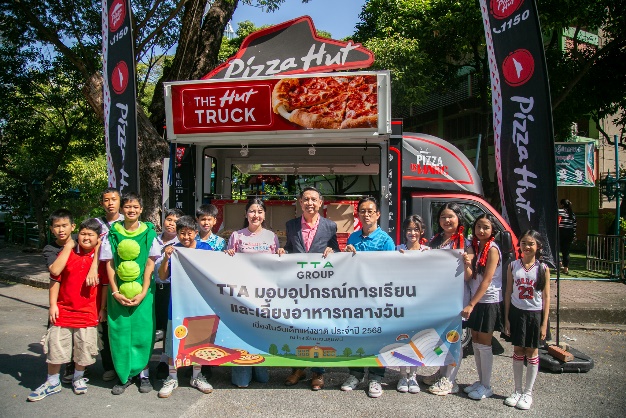

10 January 2025: TTA supported National Children’s Day 2025 by providing learning materials and organizing a lunch for students at Suan Lumphini School. The initiative aimed to enhance learning opportunities and contribute to the well-being and quality of life of youth.
TTALAB Gen 2 Grand Event: Empowering Youth for a Sustainable Future
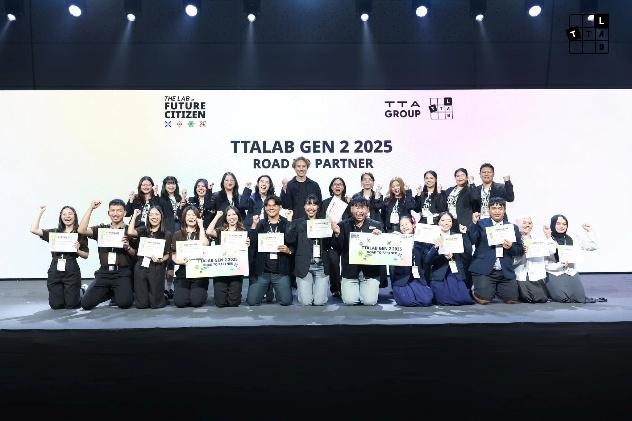
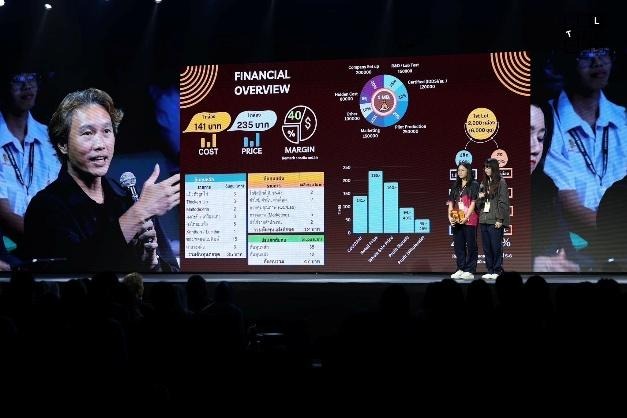
26 Nov 2025: TTALAB created a learning and hands-on innovation platform for over 1,500 young people from across Thailand, generating 567 sustainability-focused project ideas. Through an intensive development and selection process, 48 teams were further advanced as project partners. The TTALAB Gen 2 Grand Event welcomed more than 400 participants, supported by a total project development fund exceeding Baht 1,000,000. The developed projects collectively contributed to an estimated reduction of 4,066.13 kilograms of carbon dioxide equivalent (kgCO2eq), demonstrating tangible environmental impact and the active role of youth in driving sustainable development.
Ranger LAB by TTALAB: Nurturing Young Citizens for Urban Development
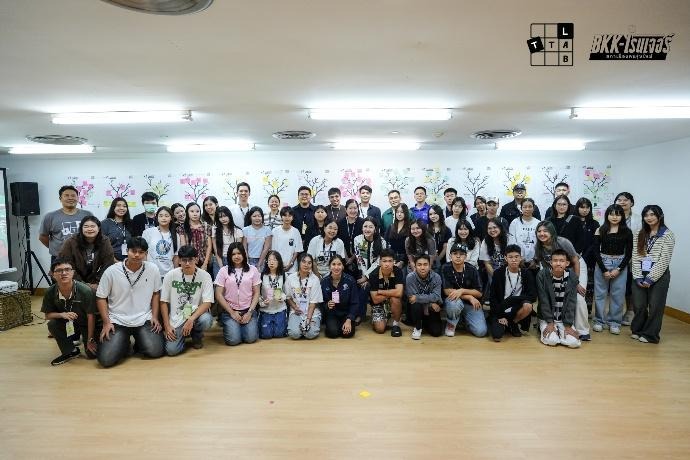
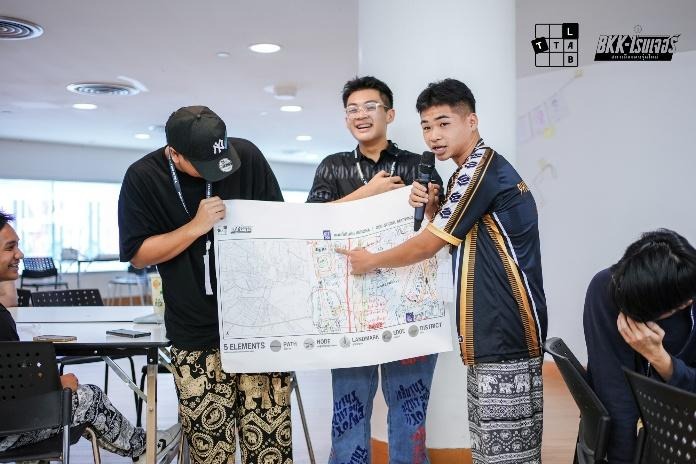
13 December 2025: TTALAB, in collaboration with BKK Ranger and the Young City Council network, organized an idea incubation and prototype development program for youth aged 15–35 in Bangkok. The initiative aimed at strengthening policy-oriented thinking skills and encouraging youth participation in urban development processes. The workshop was held at the Bangkok Art and Culture Centre (BACC) with 60 participants, preparing young people to engage in the “Young City Council” and reinforcing the role of next-generation citizens in sustainable urban development.
Learning Activities and Workshops on Self-awareness and Mood Monitoring
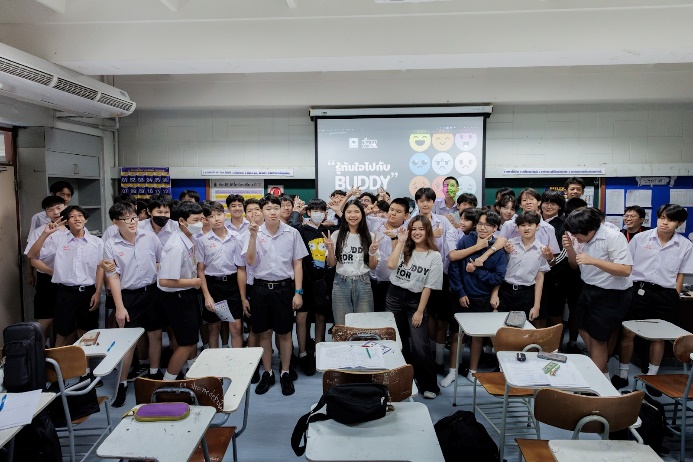
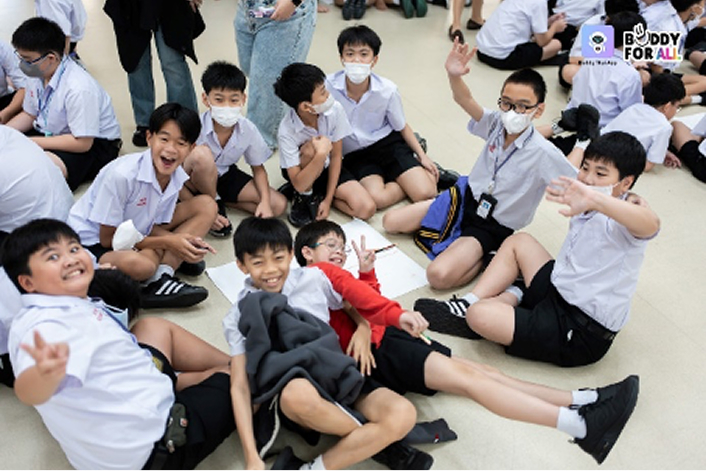
The Buddy Thai School Assessment Project is a collaborative initiative between TTA, the BuddyThai App team, and Bangkok Christian College. The project aims to uphold and protect children’s rights in accordance with international child rights frameworks, with particular focus on the right to mental well-being, protection from violence and bullying, and the right to safe expression within educational settings. Furthermore, the project is designed to support students’ mental well-being and strengthen the protection of children’s rights through a comprehensive approach. This includes utilizing the BuddyThai App as an assessment tool to conduct pre- and post-intervention evaluations, alongside activities that promote emotional skill development, respectful community engagement, and effective responses to school bullying. The activities were tailored to align with students’ grade levels. Elementary participants engaged in role-playing exercises to explore bullying scenarios, while secondary students took part in self-awareness workshops and completed worksheets through the BuddyThai App. The project was conducted on school premises on 2 occasions, in June and August 2025, with teachers serving as observers and facilitators throughout the activities. Approximately 2,000 students participated in the project, including 800 elementary students (Prathom 5–6) and 1,200 secondary students (Matthayom 1–3). The Buddy Thai School Assessment Project creates a space that encourages constructive expression and contribution, self-respect and mutual respect, mood management skill development, and violence-free coexistence. This initiative reflects the Company’s commitment to translating children’s rights principles into action through meaningful preventive measures and life skills development for children and adolescents.
Outreach Initiative to Support Platform Adoption Among Scholarship Students Receiving SIM Cards
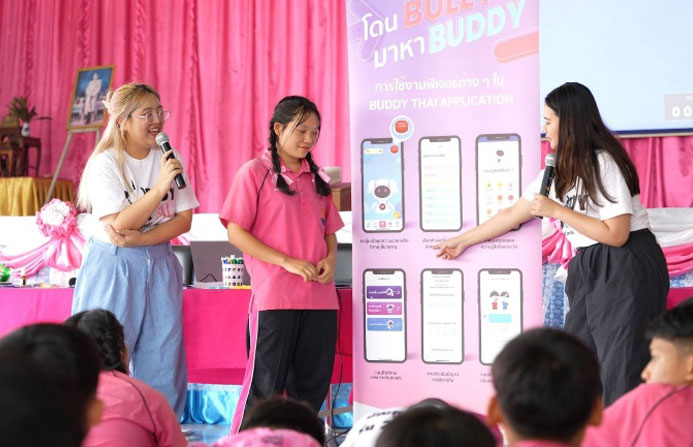
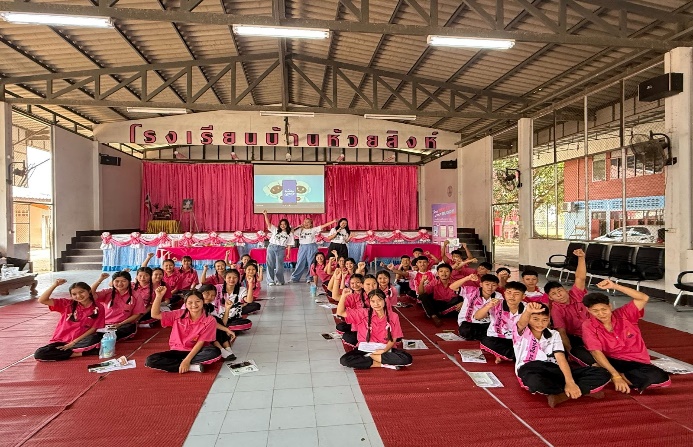
In collaboration with the Equitable Education Fund (EEF), the BuddyThai App organized an outreach program on 18–19 March 2025 at Ban Huai Singha School in Mae Sariang District, Mae Hong Son Province. The initiative was designed to provide guidance to scholarship students who had received SIM cards on how to effectively use the BuddyThai platform. The program aimed not only to introduce the application’s features but also to promote mental well-being through interactive workshops focused on emotional awareness, self-monitoring, identifying underlying causes of emotions, and developing appropriate coping strategies. Activities were tailored to participants’ age groups and local context to foster a safe and supportive environment where students could express themselves and contribute creatively. Targeting approximately 200 students aged 13–15, the project advanced children’s rights to development, participation, and protection by strengthening life skills, enhancing mental health awareness, and expanding access to digital learning tools to promote more equitable educational opportunities.
TTALAB GEN2 ONSITE WORKSHOP
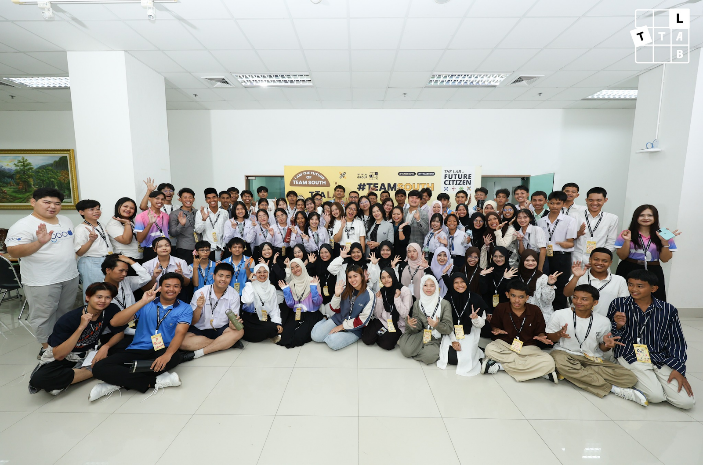
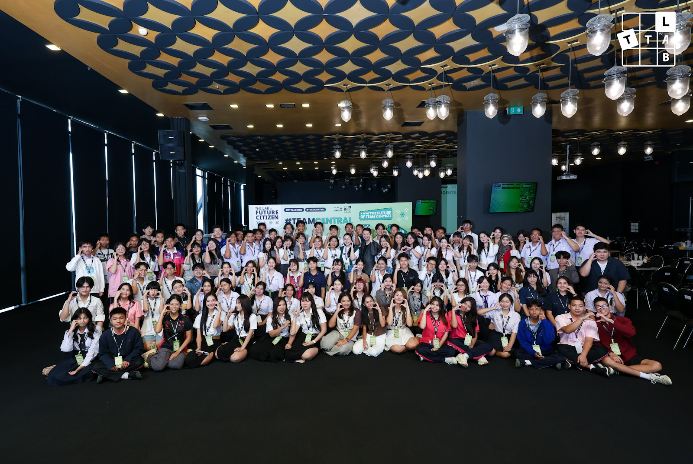
The TTALAB GEN2 Onsite Workshops were organized across all 4 regions of Thailand—Central, Northern, Northeastern, and Southern—to strengthen participants’ capabilities in innovation, creativity, and business model development as essential competencies for sustainable development. The Central Region workshop was held on 21 July 2025 at the 20th Floor Meeting Room, Chaloem Rajakumari 60 Building, Chulalongkorn University, with 159 participants. The Northern Region workshop took place on 2 September 2025 at UNISERV, Chiang Mai University, with 191 participants. The Northeastern Region workshop was organized on 8 July 2025 at the Property Management Center Meeting Room, Khon Kaen University, with 138 participants. The Southern Region workshop was held on 5 August 2025 at Room 1402, 14th Floor, LRC Building, Prince of Songkla University, Hat Yai Campus, with 148 participants. In total, the workshops engaged 636 participants nationwide. The core agenda featured sessions on Design Thinking, Creative Thinking, and the Business Model Canvas, delivered by professional faculty members. The TTALAB GEN2 Onsite Workshops reflect TTALAB’s commitment to expanding access to knowledge, strengthening essential 21st-century skills, and reducing regional educational disparities. These efforts contribute to the advancement of the Sustainable Development Goals (SDGs), particularly those related to quality education, decent work, and the development of long-term human potential.
2. Good Health Promotion
TTA Care: Caring, Building Discipline, Ensuring Safety on Every Journey
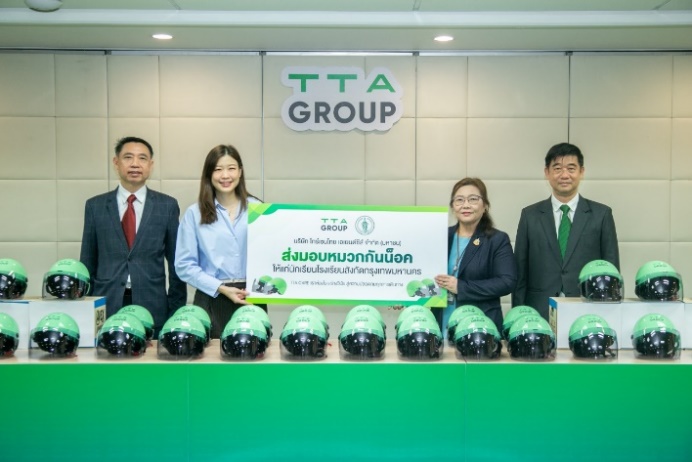
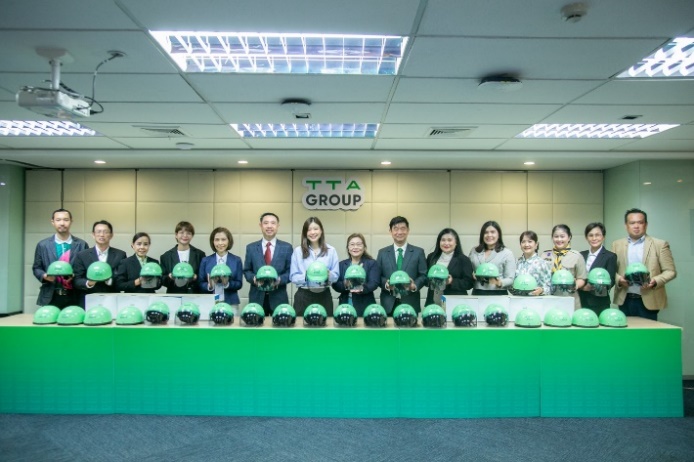
20 February 2025: TTA promotes road safety through the distribution of motorcycle helmets to schools under the Bangkok Metropolitan Administration, with a pilot implementation in the Pathum Wan District. The initiative covered seven schools, Wat Boromniwas School, Plukjit School, Suan Lumpini School, Wat Chai Mongkol School, Wat Sa Bua School, Wat Duang Khae School, and Wat Pathum Wanaram in the Royal Patronage, providing a total of 961 helmets, comprising 861 helmets for students and 100 helmets for teachers and staff.
Pizza Hut Shares Happiness
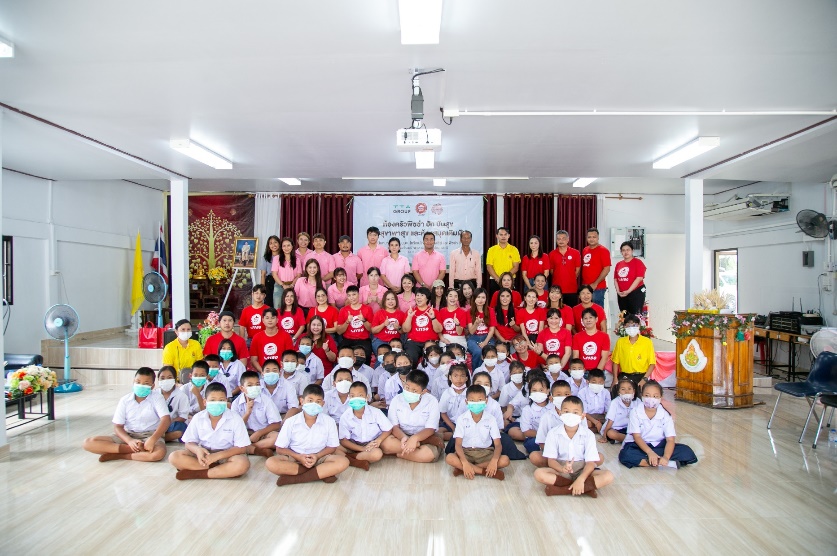
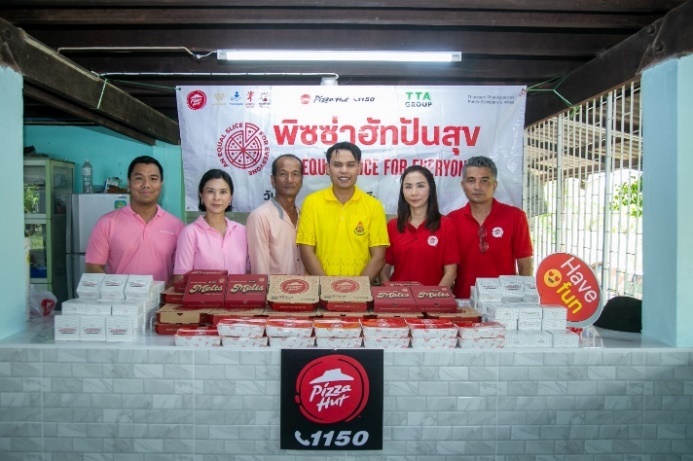
26 May 2025: TTA and Pizza Hut 1150 continued the “Pizza Hut Shares Happiness - An Equal Slice for Everyone” initiative for the third consecutive year. The partners jointly renovated key facilities at Sawang Ratbamrung School, Pathum Thani Province, including the kitchen, restrooms, and library, to enhance students’ quality of life in terms of nutrition, hygiene, and learning environments. The project also included providing lunch and organizing recreational activities, creating happiness, smiles, and joyful experiences for the students, with a total of 57 employee volunteers participating.
The Full Tummy Project
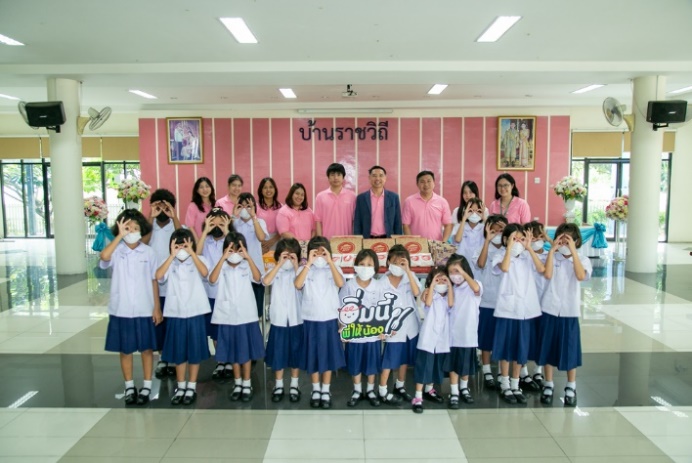

TTA organized “The Full Tummy Program”, a total of 3 times, on 30 June, 25 July, and 10 October, to provide opportunities and encouragement for underprivileged children from partner foundations, including Baan Rajavithi Foundation, the Foundation for Slum Child Care – Baan Somwai (Khlong Toei Community), and Baan Haeng Khwam Wang (House of Hope). Through this initiative, a total of 180 children received warm and nourishing meals, with a total of 19 employee volunteers participating.
Sharing Deliciousness at Baan Nokkamin Foundation
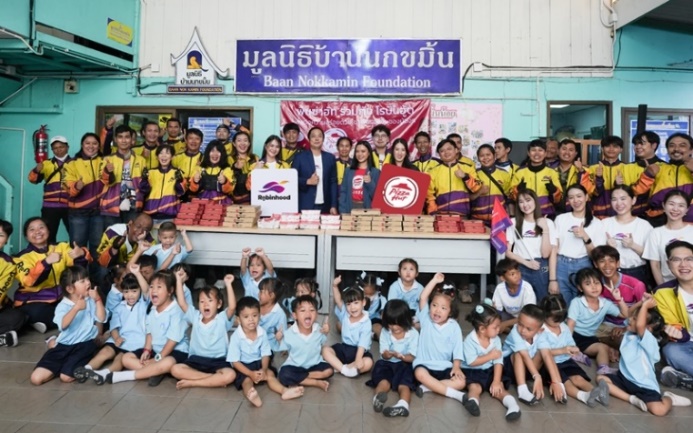
29 April 2025: Pizza Hut 1150 and Robinhood organized the “Sharing Deliciousness” initiative to bring joy to children at Baan Nokkamin Foundation. Executives from both organizations visited the site and delivered a variety of pizzas to the children, filling smiles and good moments through shared meals in a warm and friendly atmosphere.
BuddyThai App: Participation in the 24th International Mental Health Conference

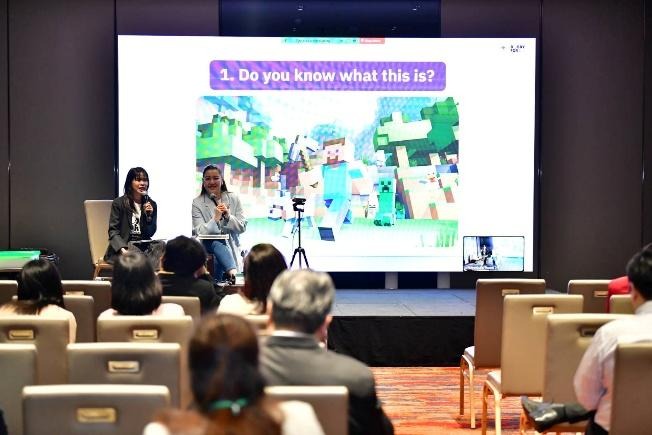
1 July 2025: BuddyThai App was invited as a speaker and academic presenter at the 24th International Mental Health Conference, held at ICONSIAM, with a focus on youth mental health under the theme “Behind the Filter: What Youth Are Really Facing Online.” The session provided insights on mental health issues affecting Gen Alpha children and youth to over 50 psychological and medical professionals, and was also livestreamed to more than 1,000 online viewers, significantly expanding public access to knowledge on youth mental health in the digital age.
3. Philanthropic Contribution
Donation for the Restoration of Ramathibodi Hospital Following a Fire Incident
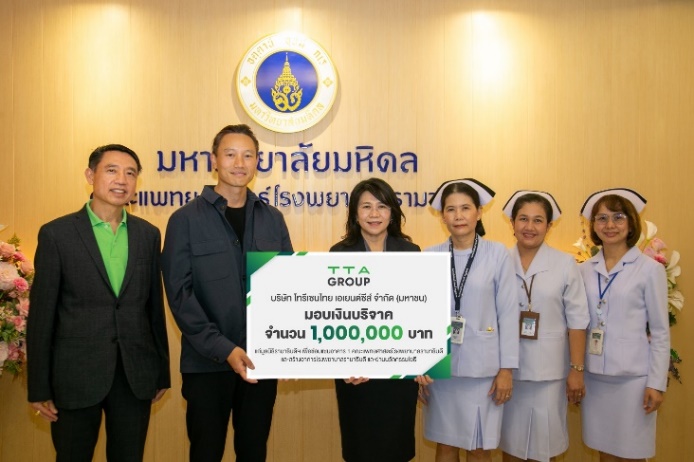
25 March 2025: TTA donated Baht 1,000,000 to the Ramathibodi Foundation to support the renovation of the Main Building (Building 1) of the Faculty of Medicine Ramathibodi Hospital, which was damaged by a fire. The donation also supports the construction of the Ramathibodi Hospital building and the Yothi Innovation District to strengthen Thailand’s medical capabilities.
Donation of Funds and Essential Supplies for Flood Relief
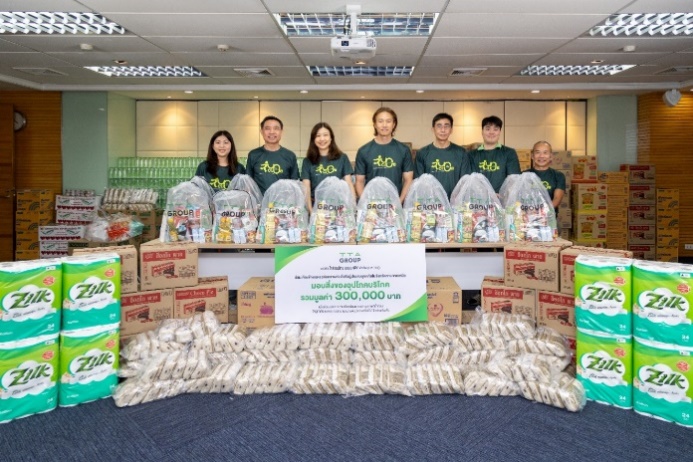
31 July 2025: TTA delivered relief kits and essential consumer goods with a total value of Baht 300,000 to support flood-affected communities in Sukhothai through the Sukhothai Provincial Red Cross Office, and in Nan through the Nan Municipal Flood Relief Donation Center. The support aimed to alleviate immediate hardship and enable affected communities to recover and return to normal conditions as quickly as possible.
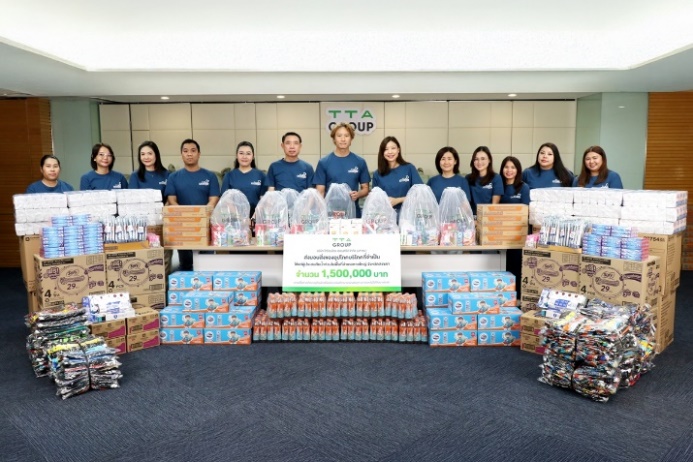
28 November 2025: TTA delivered drinking water, essential consumer goods, relief kits, and rescue boats with a total value of over Baht 1,500,000 to support flood relief operations in Hat Yai District and nearby provinces, with 32 employee volunteers packing relief kits. At the same time, field operation teams from TTA’s affiliated companies were deployed on site with inflatable boats, jet skis, and rescue equipment to access isolated areas and assist in evacuating affected residents from high-risk locations. In addition, Pizza Hut meals were provided to the public and officials stationed at evacuation centers to help replenish energy and share encouragement during this challenging period.
Donation of Food and Essential Supplies to Support Communities along the Thai-Cambodian Border
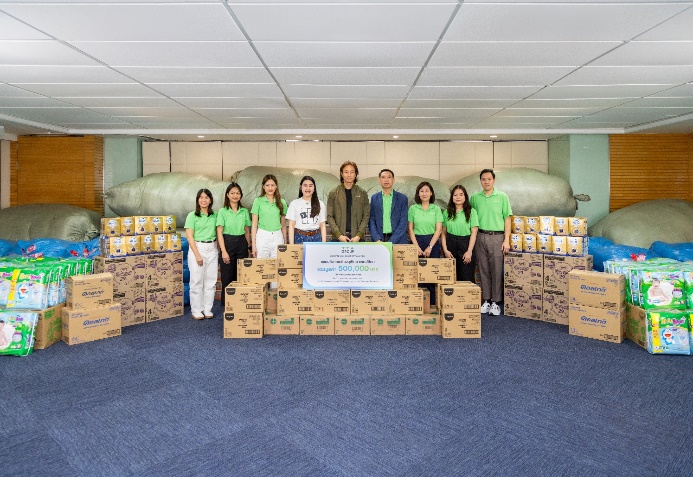
31 July 2025: TTA extended care and support to communities and agencies in the Thai-Cambodian border areas by donating essential consumer goods with a total value of Baht 500,000 to the Foundation for the Welfare of Veterans’ Families and Affected Civilians in four provinces including Buriram, Surin, Sisaket, and Ubon Ratchathani, to support the establishment of a dedicated operations center for providing assistance in the border areas.
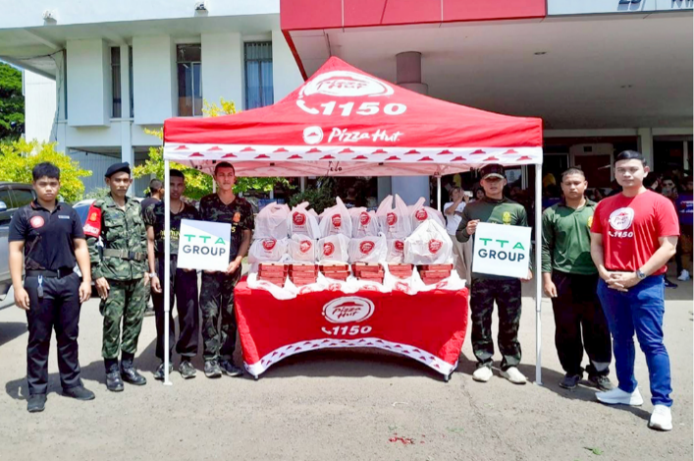
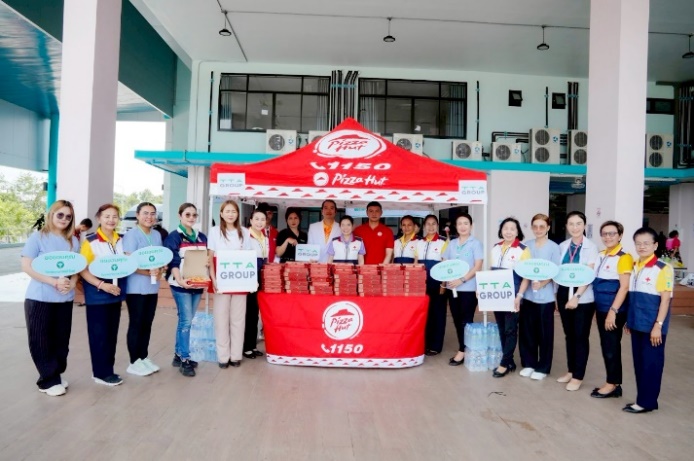
In addition, TTA deployed a Pizza Hut team to distribute more than 1,000 trays of Pizza Hut meals to communities in Buriram, Surin, Sisaket, and Trat provinces, as well as to military personnel operating in high-risk areas along the Thai-Cambodian border. These included units such as the 23rd Ranger Regiment, Sisaket Province, 25th Army Circle, Surin Province, and the Marine Task Force, Trat Province. The initiative aimed to help alleviate hardship during the crisis and provide encouragement and support to those affected by the ongoing border situation.
Wheelchairs for People with Disabilities
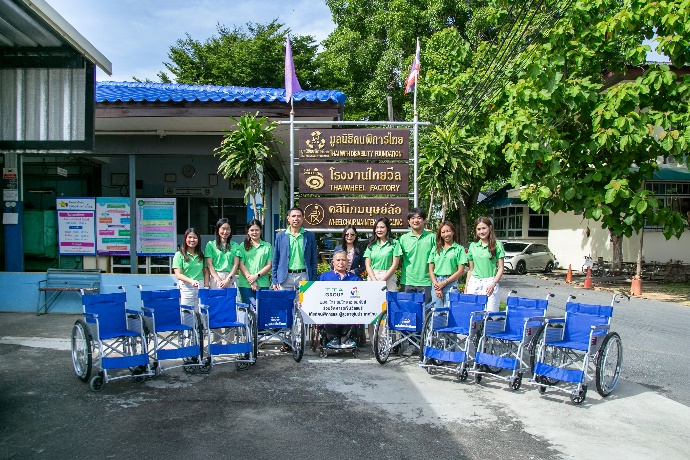
5 August 2025: TTA supported the “Wheelchairs for People with Disabilities” project of the Thai Disabled Foundation, Nonthaburi Province. All wheelchairs were manufactured by skilled persons with disabilities, contributing to job creation and income generation for people with disabilities. In this year, wheelchairs were delivered to the Veterans General Hospital, Police General Hospital, and Sirindhorn Hospital. TTA also hosted a lunch for medical personnel at the hospitals as a gesture of appreciation and encouragement in the performance of their duties. Over the past 5 years, TTA has delivered a total of 40 wheelchairs to support persons with disabilities and patients with limited mobility, with a total of 21 employee volunteers participating.
Donation of Essential Supplies to Support Victims of a Building Collapse
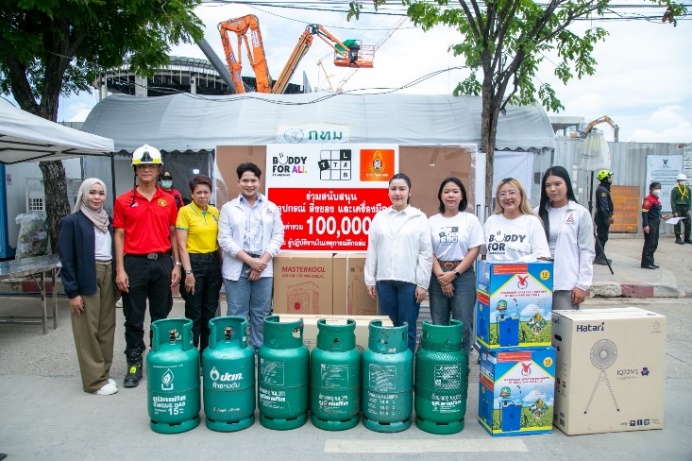
18 April 2025: TTA, the National Youth Council of Thailand, and the Chatuchak District Office, Bangkok Metropolitan Administration, extended support to officers and relevant parties involved in the earthquake incident and the collapse of the Office of the Auditor General (OAG) building. The Company provided rescue equipment and essential supplies with a total value of Baht 100,000 to support on-site operations, enabling personnel to carry out their duties in the safest and most efficient manner.
Donation to the Bangkok Association of Persons with Disabilities
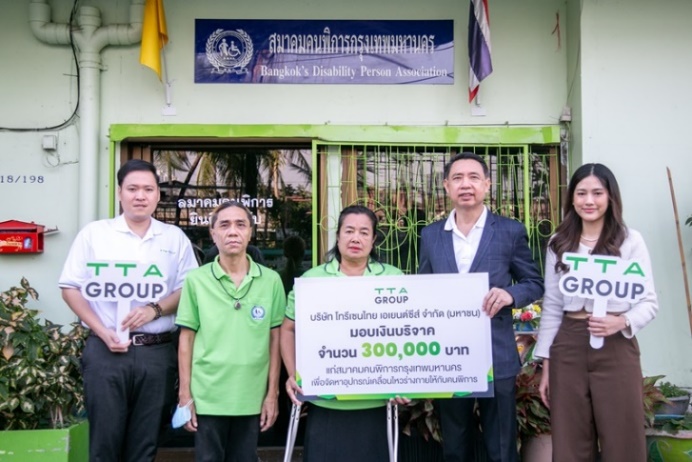
20 January 2025: TTA donated Baht 300,000 to the Bangkok Association of Persons with Disabilities to support a project providing prosthetic arms and legs for persons with mobility impairments. The Association currently supports more than 60,000 persons with disabilities. The contribution aims to enhance quality of life and well-being, expand opportunities for employment and income generation, and strengthen economic security for persons with disabilities and their families.
Donation of Medical Equipment
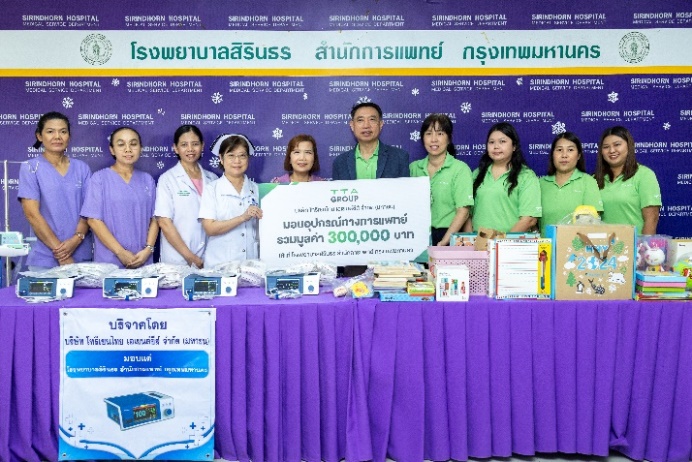
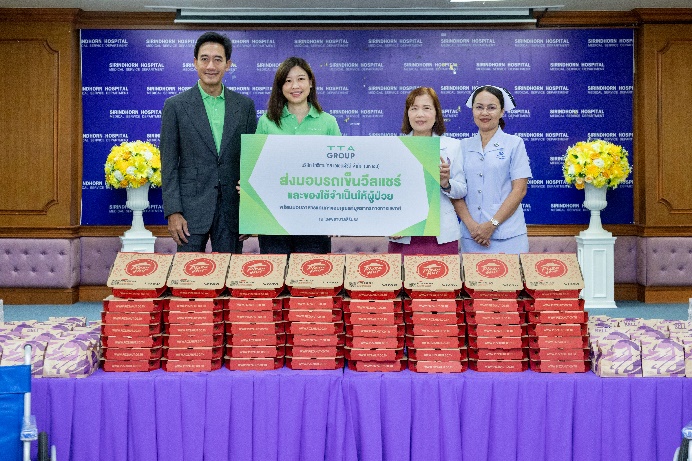
28 August 2025: TTA donated medical equipment, including 4 pulse oximeters and 2 infusion pumps, with a total value of Baht 400,000, together with essential consumer goods, children’s toys, and meals from affiliated brands, namely Pizza Hut and Taco Bell, to Sirindhorn Hospital, under the Medical Service Department of the Bangkok Metropolitan Administration, with a total of 13 employee volunteers participating.
Blood Donation Program: Giving Life to Fellow Human Beings
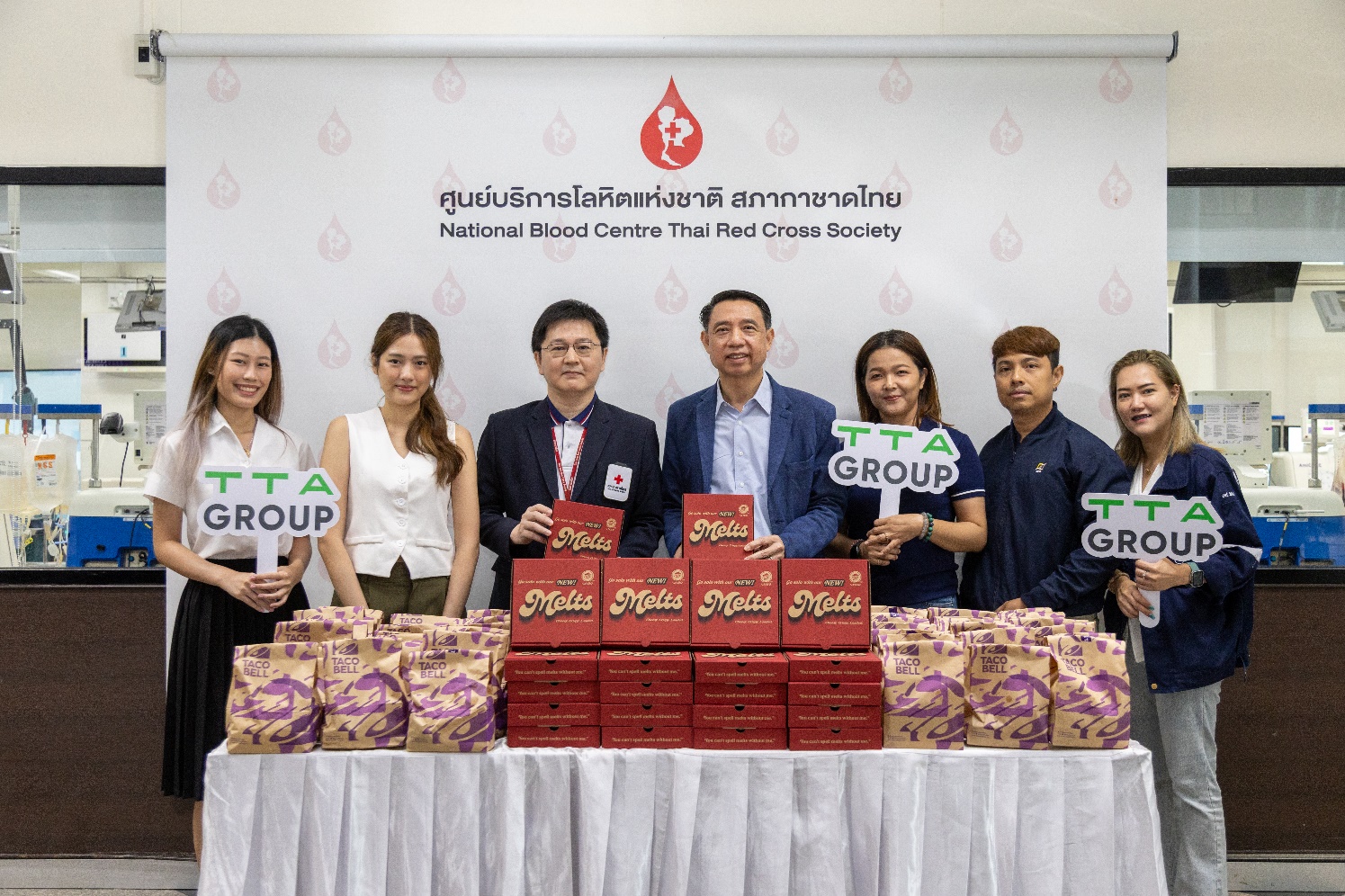
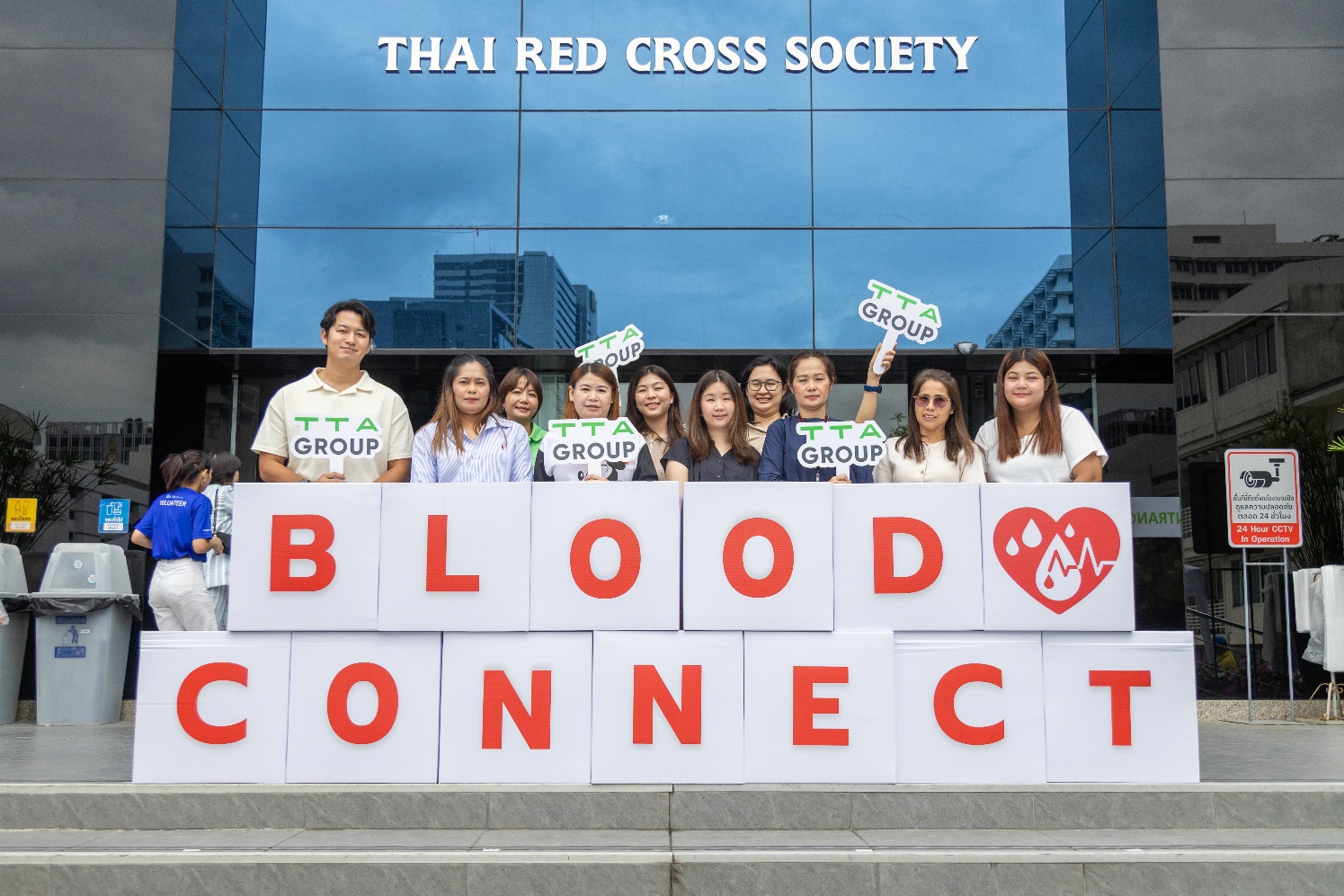
30 July 2025: TTA joined forces with the Thai Red Cross Society to organize a blood donation activity at the National Blood Centre. A total of 40 employee volunteers participated in blood donation, collecting more than 10,000 cc of blood to help alleviate blood supply shortages. The initiative also included providing meals from affiliated brands, namely Pizza Hut and Taco Bell, to encourage and support blood donors.
Office Equipment Donation
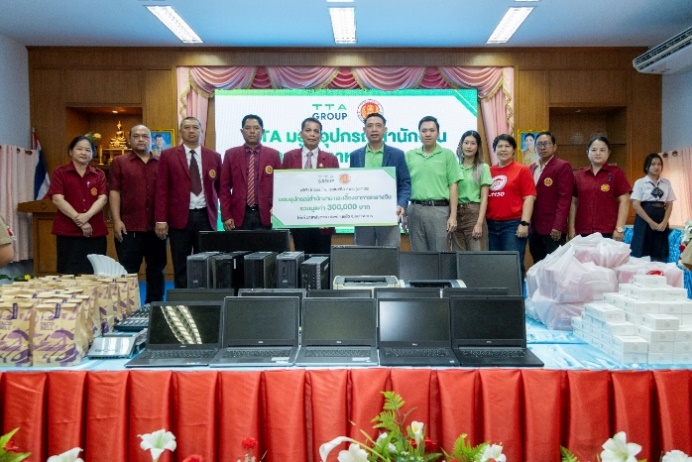
29 November 2025: TTA and employee volunteers, totaling 7 people, donated office equipment including laptops, monitors, printers, CPUs, desks, and other items, with a total value of Baht 300,000 to Ban Phaeo Industrial and Community Education College, Ban Phaeo District, Samut Sakhon Province. The donation aimed to support teaching and learning by enhancing students’ access to technology and enabling convenient and efficient information retrieval.
TTA Happiness Enrichment on Tour Project
TTA implements the “TTA Happiness Enrichment” initiative to encourage employee participation in social contribution activities, while providing financial and operational support across a wide range of areas, including environmental conservation, educational opportunity enhancement, charitable activities, and religious support. In this year, the program expanded its scope under the concept of “TTA Happiness Enrichment on Tour,” with the objective of extending positive impact to provincial communities and creating broader social value. Some activities included the following:
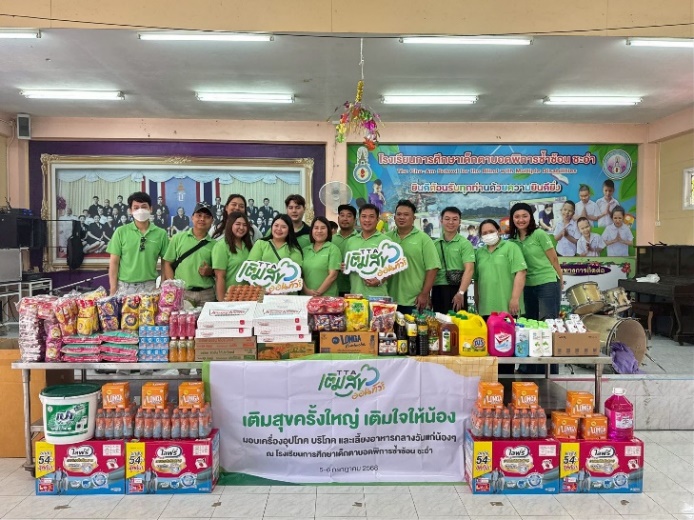
The Preparation and Packing of Essential Consumer Goods Activity, including the provision of lunch for students, was conducted at the School for Children with Multiple Disabilities (Blind) in Phetchaburi Province, with a total value of Baht 24,000.
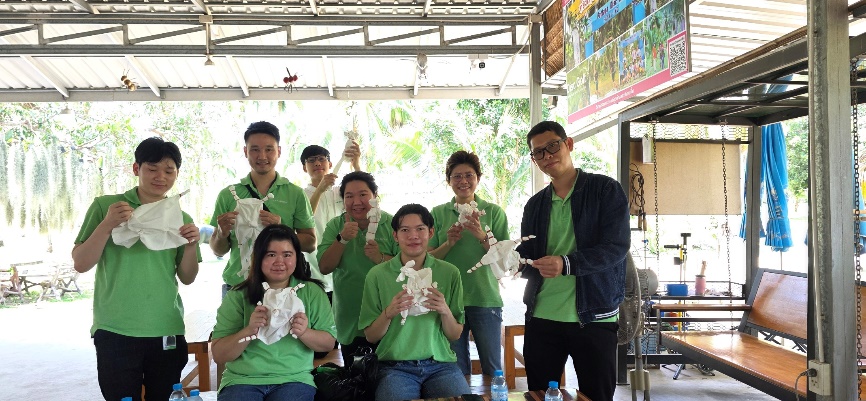
The Local Wisdom and Community Way of Life Promotion Activity, conducted through the development of educational materials on herbal soap making and the production of 50 herbal soap bars, along with tie-dyed fabric bags. These items, together with essential consumer goods, were donated to the Ban Bang Lamung Boys’ Home in Chonburi Province. In addition, food and saline solution were donated to Pa Lek Animal Shelter, Sriracha, Wat Khao Tabaek, with a total value of Baht 14,000.
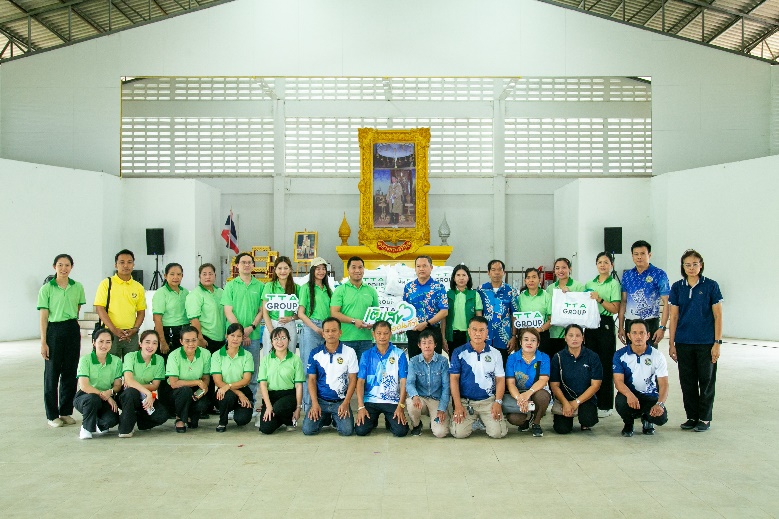
An essential relief bag preparation activity, providing 100 relief bags, with a total value of Baht 21,000, along with on-site distribution to vulnerable groups and bedridden patients in Uthai District, Phra Nakhon Si Ayutthaya Province.
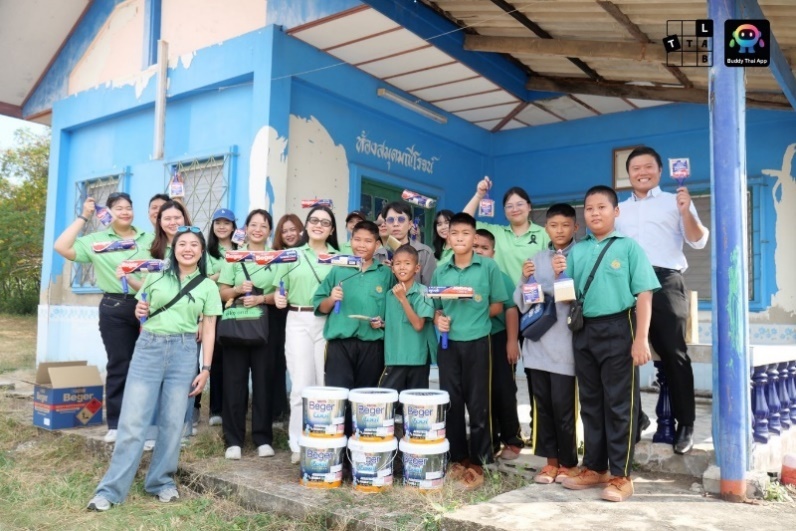
Building Improvement Activity, involving the donation of 6 buckets of paint along with painting equipment for the renovation of residential buildings, as well as the donation of stationery kits to students at Sahakorn Kasikorn Chai Thale School, Samut Sakhon Province, with a total value of Baht 36,000.
TTALAB: Expanding Access to Learning Opportunities
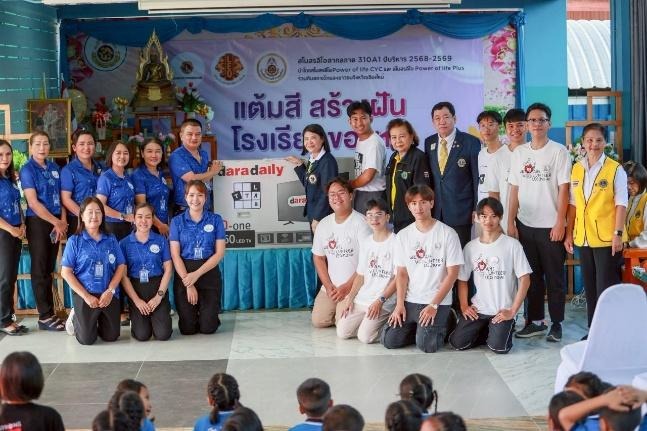
17 September 2025: TTALAB supported educational access by donating learning media through television sets to schools and learning centers across Thailand, including Thao Boonruang School (Hang Dong, Chiang Mai), Kuha Subdistrict Administrative Organization Learning Center (Saba Yoi, Songkhla), Wat Ban Laem Krawat School (Pak Phayun, Phatthalung), and the Akha Tribal University Cultural Network (Chiang Rai). This initiative aimed to reduce educational inequality and ensure that communities across the country have access to learning spaces and sources of inspiration.
BuddyThai App x TTA: Supporting Child and Adolescent Mental Health
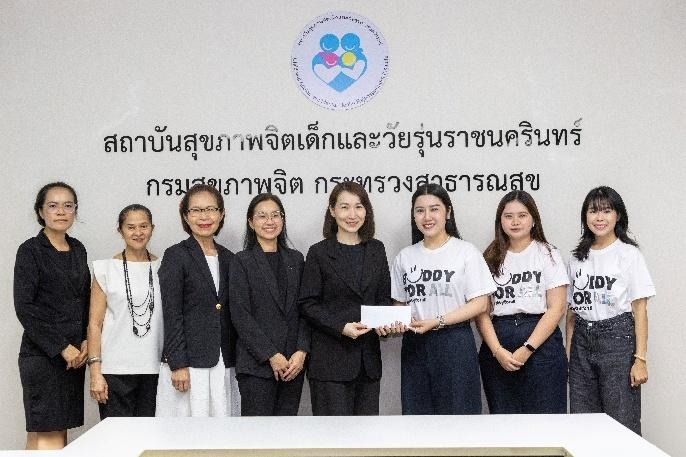
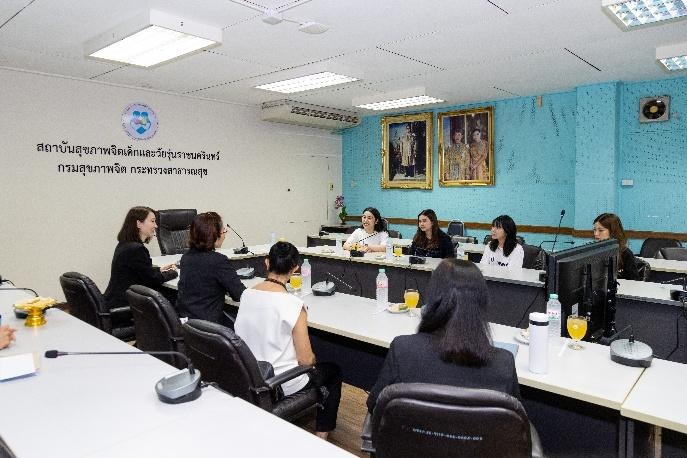
7 September 2025: BuddyThai App, in collaboration with TTA, donated Baht 10,000 from the proceeds of Buddy for All T-shirt sales to the Rajankarin Child and Adolescent Mental Health Foundation. This contribution supports the care and mental health services for children and adolescents facing mental health challenges, reflecting a shared commitment to promoting mental well-being and equitable access to mental health care.